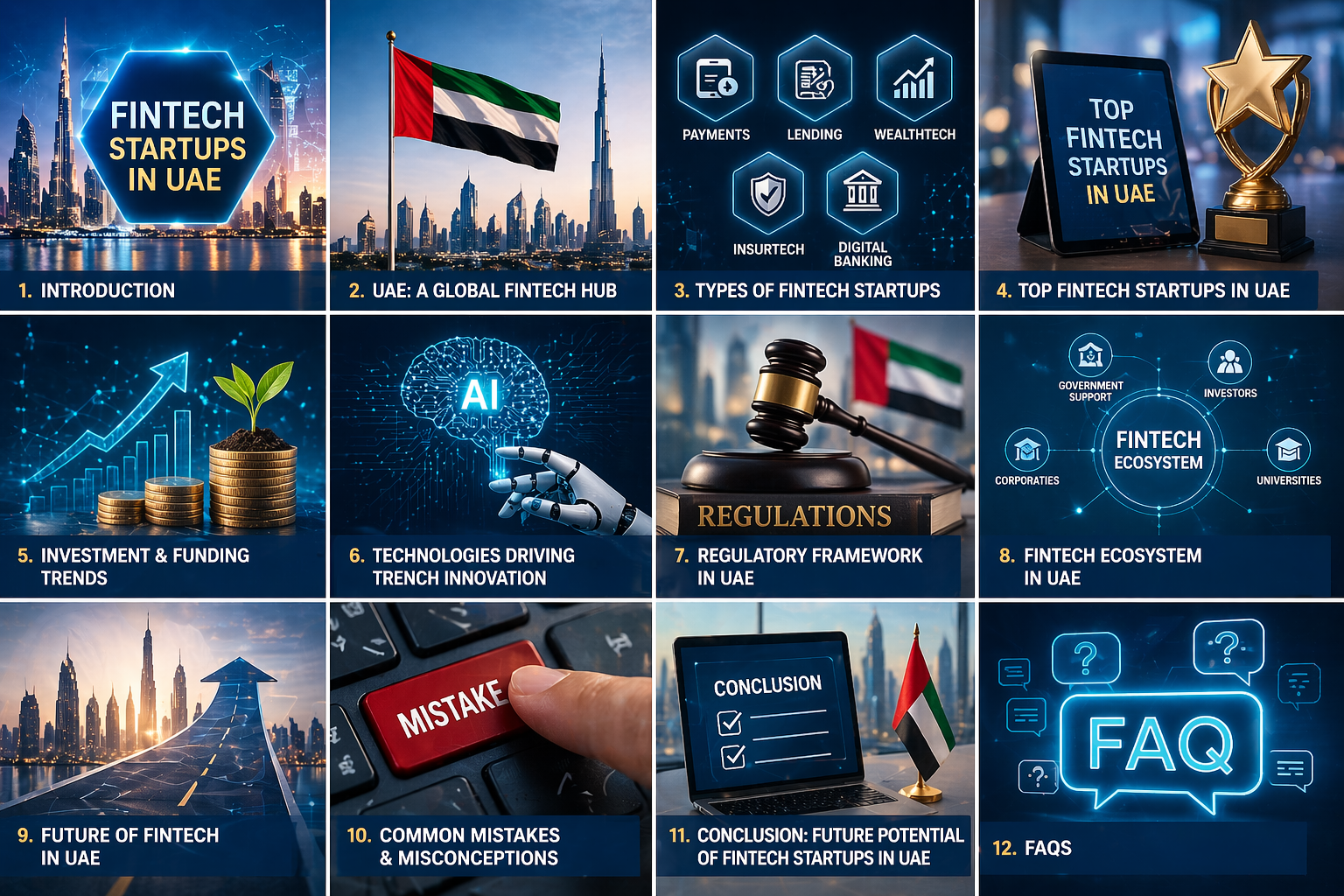
Fintech startups are companies that use digital technologies to deliver financial services such as payments, lending, investing, and banking. These startups replace or enhance traditional financial systems by offering faster, more accessible, and cost-efficient solutions through mobile apps, platforms, and cloud-based systems.
They operate across multiple financial sectors, including:
- Digital payments
- Online lending
- Investment platforms
- Insurance technology
According to industry standards, fintech startups focus on improving efficiency, accessibility, and automation in financial services.
Key Technologies Used in Fintech
Fintech startups rely on advanced technologies to build scalable and secure financial solutions:
- Artificial Intelligence (AI): Used for fraud detection, credit scoring, and personalized financial recommendations
- Blockchain: Enables secure, transparent transactions and supports cryptocurrencies and smart contracts
- APIs (Application Programming Interfaces): Allow integration between banks, apps, and third-party services, supporting open banking systems
These technologies enable fintech startups to operate with higher speed, lower cost, and improved user experience compared to traditional banking systems.
Summary
Fintech startups are technology-driven companies transforming financial services through digital platforms. They focus on improving efficiency, accessibility, and innovation using technologies like AI, blockchain, and APIs.
Keypoints
- Fintech = finance + technology
- Covers payments, lending, banking, and investments
- Focuses on digital-first financial solutions
- Powered by AI, blockchain, and APIs
Pros and Cons of Fintech Startups
| Pros | Cons |
|---|---|
| Faster financial services | Regulatory complexity |
| Lower operational costs | Security risks |
| Improved accessibility | High competition |
| Innovation-driven | Customer trust challenges |
Also read:https://capitallooms.com/best-api-search-companys-homepage/
Overview of UAE Fintech Ecosystem
Why UAE Is a Fintech Hub
The United Arab Emirates has emerged as a leading fintech hub due to its strong financial infrastructure, strategic location, and rapid digital transformation. Positioned between Asia, Europe, and Africa, the UAE enables seamless cross-border financial activity, making it ideal for fintech expansion.
Key factors driving growth include:
- High smartphone and internet penetration
- Strong adoption of digital payments and cashless systems
- Business-friendly policies and tax advantages
- Access to global investors and venture capital
Based on observed market trends, the UAE fintech sector continues to expand rapidly, supported by both private and public sector initiatives.
Government Initiatives Supporting Fintech
Government-backed regulatory frameworks and innovation programs play a critical role in the UAE’s fintech growth.
Regulatory Sandboxes and Innovation Hubs
- Abu Dhabi Global Market (ADGM): Offers a regulatory sandbox that allows startups to test fintech products in a controlled environment
- Dubai International Financial Centre (DIFC): Provides fintech accelerators, funding access, and licensing support
These frameworks reduce barriers to entry and allow startups to innovate while remaining compliant with financial regulations.
National Strategies and Policies
- Central Bank of the UAE supports digital banking and open finance initiatives
- Dubai Financial Services Authority regulates fintech activities within DIFC
Government strategies focus on:
- Promoting a cashless economy
- Encouraging financial innovation
- Supporting startup ecosystems
Role of Investment and Ecosystem Players
The UAE fintech ecosystem is supported by:
- Venture capital firms
- Angel investors
- Startup accelerators
- Global financial institutions
Cities like Dubai and Abu Dhabi act as fintech innovation hubs, hosting startups, incubators, and global events.
Summary
The UAE fintech ecosystem is driven by strong government support, advanced infrastructure, and global investment access. Regulatory sandboxes, financial hubs, and national strategies create a favorable environment for fintech startups to grow and scale.
Keypoints
- UAE is a global fintech hub due to location and infrastructure
- Strong regulatory support via ADGM and DIFC
- Government promotes digital finance and innovation
- Dubai and Abu Dhabi lead fintech growth
Pros and Cons of UAE Fintech Ecosystem
| Pros | Cons |
|---|---|
| Strong government support | Regulatory complexity for new entrants |
| Access to global markets | High operational costs |
| Advanced financial infrastructure | Competitive startup environment |
| Investor-friendly ecosystem |

Types of Fintech Startups in UAE
Payment Startups
Payment fintech startups focus on enabling fast, secure, and digital transactions for individuals and businesses. These platforms support peer-to-peer transfers, merchant payments, and cross-border transactions.
Key characteristics:
- Mobile-first payment solutions
- Digital wallets and QR payments
- Real-time money transfers
Examples include:
- Ziina – peer-to-peer payments
- Telr – online payment processing
Digital Banking and Neobanks
Digital banks (neobanks) operate without physical branches and provide banking services entirely through apps or web platforms. They focus on user-friendly interfaces and low-cost services.
Core features:
- App-based account management
- Instant onboarding
- Budgeting and analytics tools
Examples:
- YAP
- Zand Bank
Lending and SME Finance
These startups provide digital lending solutions for individuals and small businesses, often using AI-based credit scoring instead of traditional banking criteria.
Key services:
- Personal loans
- SME financing
- Buy Now, Pay Later (BNPL)
Example:
- CredibleX
WealthTech and Investment Platforms
WealthTech startups focus on investment management, robo-advisory, and wealth-building tools, making investing accessible to a broader audience.
Core offerings:
- Automated portfolio management
- Fractional investing
- Low-cost advisory services
Examples:
- Sarwa
- Stake
InsurTech Startups
InsurTech companies use technology to improve insurance services, including policy management, claims processing, and personalized coverage.
Key features:
- Digital policy issuance
- AI-based risk assessment
- Faster claims processing
These startups aim to make insurance more transparent, efficient, and customer-friendly.
Summary
Fintech startups in the UAE operate across multiple categories, including payments, digital banking, lending, wealth management, and insurance. Each category addresses specific financial needs using technology-driven solutions.
Keypoints
- Payments and digital banking dominate the market
- Lending startups focus on SMEs and alternative credit scoring
- WealthTech enables accessible investing
- InsurTech improves insurance efficiency
- Each category solves a distinct financial problem
Comparison of Fintech Startup Types
| Category | Primary Use Case | Example Startups |
|---|---|---|
| Payments | Money transfers and transactions | Ziina, Telr |
| Digital Banking | Online banking services | YAP, Zand |
| Lending | Loans and SME financing | CredibleX |
| WealthTech | Investments and portfolio management | Sarwa, Stake |
| InsurTech | Insurance services | Various emerging startups |
Top Fintech Startups in UAE
Leading Fintech Companies
The UAE fintech ecosystem includes several well-established startups that have gained strong market presence through innovation, funding, and user adoption.
- Ziina
A digital payments platform enabling instant peer-to-peer transfers and small business payments. It focuses on simplicity, speed, and mobile-first financial interactions. - Sarwa
A wealth management platform offering automated investing, portfolio management, and financial planning tools for individuals. - YAP
A fintech app providing digital banking features such as prepaid cards, expense tracking, and financial insights without being a traditional bank. - Telr
A payment gateway that enables businesses to accept online payments across multiple channels, including cards and digital wallets.
Fast-Growing Fintech Startups (2024–2026)
These startups are expanding rapidly due to innovation, funding, and alignment with emerging financial needs.
- CredibleX
Focuses on providing fast and flexible financing solutions for small and medium-sized enterprises using digital credit assessment. - Zand Bank
A fully digital bank designed to support corporate, institutional, and fintech clients with modern banking infrastructure. - Stake
Enables fractional real estate investment, allowing users to invest in property with lower capital requirements.
Key Features of Top UAE Fintech Startups
Common characteristics observed across leading startups include:
- Mobile-first platforms
- AI-driven financial services
- Fast onboarding and user-friendly interfaces
- Focus on underserved markets (SMEs, young investors)
These features align with global fintech trends and regional demand for digital financial solutions.
Summary
Top fintech startups in the UAE include companies across payments, banking, lending, and investment sectors. Established players like Ziina and Sarwa lead the market, while emerging startups such as CredibleX and Zand Bank are driving future growth.
Keypoints
- UAE fintech leaders span multiple categories
- Payments and wealth platforms dominate early growth
- SME lending and digital banking are rapidly expanding
- Innovation and user experience are key differentiators
Table: Top Fintech Startups in UAE
| Startup | Category | Key Focus | Notable Feature |
|---|---|---|---|
| Ziina | Payments | P2P transfers | Instant payments |
| Sarwa | WealthTech | Investment | Robo-advisory |
| YAP | Digital Banking | Personal finance | App-based banking |
| Telr | Payments | Online payments | Multi-channel gateway |
| CredibleX | Lending | SME finance | Fast credit access |
| Zand Bank | Digital Bank | Corporate banking | Fully digital infrastructure |
| Stake | WealthTech | Real estate | Fractional investing |
Fintech Startup Categories Comparison
Fintech startups in the UAE operate across distinct categories, each addressing specific financial needs. Comparing these categories helps understand their roles, target users, and technological focus.
Detailed Comparison Table
| Category | Primary Function | Target Users | Key Technologies | Example Startups |
|---|---|---|---|---|
| Payments | Money transfers and transactions | Individuals, businesses | APIs, mobile apps, encryption | Ziina, Telr |
| Digital Banking | Online banking services | Consumers, freelancers | Cloud computing, AI | YAP, Zand Bank |
| Lending | Loans and credit solutions | SMEs, individuals | AI credit scoring, data analytics | CredibleX |
| WealthTech | Investment and wealth management | Retail investors | AI, robo-advisory, algorithms | Sarwa, Stake |
| InsurTech | Insurance services | Individuals, businesses | AI, automation | Emerging startups |
Key Differences Between Categories
- Payments vs Digital Banking:
Payment startups focus on transactions, while digital banks provide full financial account services. - Lending vs WealthTech:
Lending platforms provide credit, whereas WealthTech platforms focus on growing assets and investments. - InsurTech vs Others:
InsurTech specifically targets insurance processes, unlike broader financial services categories.
Use Case-Based Breakdown
| Use Case | Best Fintech Category |
|---|---|
| Sending money instantly | Payments |
| Managing daily finances | Digital Banking |
| Getting a business loan | Lending |
| Investing in stocks or real estate | WealthTech |
| Buying or managing insurance | InsurTech |
Summary
Each fintech category in the UAE serves a unique purpose, from payments and banking to lending and investments. Understanding these differences helps users and businesses choose the right financial solution based on their needs.
Keypoints
- Payments handle transactions
- Digital banking offers full financial services
- Lending focuses on credit access
- WealthTech enables investment growth
- InsurTech improves insurance efficiency
Pros and Cons by Category
| Category | Advantages | Limitations |
|---|---|---|
| Payments | Fast, convenient | Limited financial services |
| Digital Banking | All-in-one platform | Regulatory requirements |
| Lending | Quick access to funds | Credit risk |
| WealthTech | Easy investing | Market dependency |
| InsurTech | Simplified insurance | Adoption challenges |
Funding and Investment Trends in UAE Fintech
Venture Capital Activity
Fintech startups in the United Arab Emirates attract strong venture capital interest due to rapid digital adoption and supportive regulation. Investment activity is driven by both regional and international investors seeking exposure to high-growth financial technology markets.
Key drivers of venture capital inflow:
- Expansion of digital payments and cashless systems
- Growth of SME financing demand
- Increasing adoption of digital banking
Major fintech hubs such as Dubai and Abu Dhabi host accelerators, incubators, and funding networks that connect startups with investors.
Funding Growth and Market Trends
The UAE fintech sector has experienced consistent funding growth, supported by government initiatives and global investor confidence.
Table: UAE Fintech Funding Trends
| Year | Estimated Investment Growth | Key Trend |
|---|---|---|
| 2021 | High growth | Surge in digital payments |
| 2022 | Continued expansion | Rise of neobanks |
| 2023 | Strong investment | Growth in SME lending |
| 2024–2026 | Accelerating | AI-driven fintech solutions |
Observed trends:
- Increased funding in early-stage startups
- Growth in Buy Now, Pay Later (BNPL) and SME financing
- Rising interest in AI-powered financial services
Key Investors and Ecosystem Players
The UAE fintech ecosystem is supported by a mix of institutional and private investors, including:
- Venture capital firms
- Government-backed funds
- Angel investors
- Corporate investment arms
Regulatory and financial institutions such as the Central Bank of the UAE and Abu Dhabi Global Market play a role in enabling a stable investment environment.
Investment Focus Areas
Investors in UAE fintech are primarily focused on high-growth segments:
- Digital payments and wallets
- SME lending platforms
- WealthTech and robo-advisors
- Embedded finance solutions
These areas align with regional demand for digital financial services and financial inclusion.
Summary
Funding and investment trends in UAE fintech show strong and sustained growth. Venture capital activity, government support, and rising demand for digital financial services continue to drive investment across key fintech segments.
Keypoints
- UAE fintech attracts global and regional investors
- Strong growth in payments, lending, and digital banking
- AI-driven fintech is a major investment trend
- Dubai and Abu Dhabi are key funding hubs
Pros and Cons of Fintech Investment in UAE
| Pros | Cons |
|---|---|
| High growth potential | Market competition |
| Government-backed ecosystem | Regulatory complexity |
| Access to global investors | Economic fluctuations |
| Strong fintech adoption | Risk of early-stage failure |
Technologies Powering UAE Fintech
Artificial Intelligence (AI) in Fintech
Artificial Intelligence plays a central role in transforming financial services by enabling automation, predictive analytics, and personalized user experiences. Fintech startups in the United Arab Emirates use AI to improve efficiency and decision-making.
Key applications:
- Fraud detection through pattern recognition
- Credit scoring using alternative data
- Chatbots for customer support
- Personalized financial recommendations
AI helps fintech companies reduce operational costs while improving accuracy and speed.
Blockchain and Cryptocurrency Infrastructure
Blockchain technology provides secure, transparent, and decentralized systems for financial transactions. It is widely used in fintech for payments, asset tracking, and digital currencies.
Core benefits:
- Tamper-proof transaction records
- Faster cross-border payments
- Reduced intermediaries
The UAE has actively supported blockchain adoption through initiatives led by organizations like the Dubai Future Foundation, aiming to position the country as a leader in digital finance.
Open Banking and APIs
Open banking enables financial institutions to share data securely with third-party providers through APIs (Application Programming Interfaces). This allows fintech startups to integrate with banks and offer enhanced financial services.
Key features:
- Seamless integration between platforms
- Real-time financial data access
- Development of new financial products
Regulatory support from the Central Bank of the UAE has accelerated the adoption of open banking frameworks in the region.
Cloud Computing and Infrastructure
Cloud technology allows fintech startups to scale quickly, store large volumes of data, and operate securely without heavy infrastructure costs.
Advantages:
- Scalability for growing user bases
- Cost efficiency
- Enhanced data security and backup systems
Cloud infrastructure is essential for supporting digital banking, payment platforms, and real-time financial services.
Summary
Technologies such as AI, blockchain, APIs, and cloud computing are the foundation of fintech innovation in the UAE. These technologies enable startups to deliver secure, scalable, and efficient financial solutions.
Keypoints
- AI improves automation and decision-making
- Blockchain enhances security and transparency
- Open banking enables integration and innovation
- Cloud computing supports scalability and cost efficiency
Technology Comparison Table
| Technology | Primary Use | Key Benefit |
|---|---|---|
| Artificial Intelligence | Data analysis, fraud detection | Automation and accuracy |
| Blockchain | Transactions, security | Transparency and trust |
| APIs / Open Banking | Integration | Interoperability |
| Cloud Computing | Infrastructure | Scalability and cost savings |
Challenges Faced by Fintech Startups in UAE
Regulatory Compliance and Licensing
Fintech startups operating in the United Arab Emirates must comply with strict financial regulations designed to ensure stability, security, and consumer protection. While regulatory frameworks support innovation, they also create entry barriers for new startups.
Key challenges include:
- Complex licensing requirements across different jurisdictions
- Compliance with anti-money laundering (AML) and KYC rules
- Approval processes from financial authorities such as the Central Bank of the UAE
- Differing regulations between free zones like ADGM and DIFC
These requirements can slow down product launches and increase operational costs.
High Market Competition
The UAE fintech ecosystem is highly competitive due to rapid startup growth and strong international interest.
Competitive pressures include:
- Increasing number of fintech startups entering similar segments
- Presence of global fintech companies expanding into the region
- Strong competition from traditional banks launching digital services
Startups must differentiate through innovation, pricing, and user experience to survive.
Customer Trust and Adoption Barriers
Despite high digital adoption in the UAE, some users remain cautious about fully transitioning to digital financial platforms.
Key issues:
- Concerns over data privacy and cybersecurity
- Preference for traditional banking systems among certain user groups
- Limited financial literacy in specific segments
Building trust requires strong security systems, transparent policies, and consistent service quality.
Funding and Scalability Challenges
Although funding is available, early-stage fintech startups often face difficulties scaling sustainably.
Common issues:
- Dependence on venture capital funding
- High customer acquisition costs
- Pressure to scale quickly before achieving profitability
Startups must balance growth with financial stability.
Summary
Fintech startups in the UAE operate in a highly regulated and competitive environment. While the ecosystem is supportive, challenges such as compliance, competition, trust, and scalability must be addressed for long-term success.
Keypoints
- Strict regulations ensure security but increase complexity
- Market competition is intense across all fintech segments
- Customer trust is a major adoption barrier
- Scaling sustainably remains a key challenge
Pros and Cons of UAE Fintech Environment
| Advantages | Challenges |
|---|---|
| Strong regulatory framework | Complex licensing process |
| High investor interest | Intense competition |
| Advanced infrastructure | Trust and adoption barriers |
| Rapid digital growth |
Opportunities in the UAE Fintech Market
Expanding Digital Payments Ecosystem
The fintech landscape in the United Arab Emirates is rapidly shifting toward a cashless economy. This creates major opportunities for startups in digital payments, wallets, and instant transfers.
Key growth drivers:
- Widespread mobile payment adoption
- Government push for cashless transactions
- Growth in e-commerce and online services
- Increased demand for cross-border payments
Payment innovation remains one of the strongest entry points for new fintech startups.
SME Financing and Alternative Lending
Small and medium enterprises (SMEs) represent a large portion of the UAE economy, but many still face challenges accessing traditional bank loans. This creates strong demand for fintech-driven lending solutions.
Opportunities include:
- AI-based credit scoring systems
- Fast digital loan approvals
- Invoice financing and working capital solutions
- Buy Now, Pay Later (BNPL) models
Startups that simplify SME financing are seeing rapid adoption and investor interest.
Wealth Management and Retail Investing
The growing interest in personal finance and investing is fueling expansion in WealthTech platforms.
Key opportunities:
- Fractional investing in real estate and stocks
- Automated portfolio management (robo-advisors)
- Low-cost investment platforms for beginners
- Financial education tools integrated into apps
Platforms like Sarwa and Stake highlight this growing demand.
Open Banking and Embedded Finance
Open banking regulations are creating new opportunities for fintech startups to integrate directly with traditional financial institutions.
Opportunities include:
- API-driven financial ecosystems
- Embedded financial services in non-financial apps
- Real-time financial data aggregation
- Personalized banking experiences
This trend allows startups to build scalable and interconnected financial products.
AI-Driven Financial Innovation
Artificial intelligence is becoming a core growth driver in fintech innovation across the UAE.
High-potential areas:
- Predictive financial analytics
- Automated customer support systems
- Fraud prevention and risk detection
- Smart investment recommendations
AI enables startups to deliver faster, more accurate, and highly personalized services.
Summary
The UAE fintech market offers strong opportunities in payments, SME financing, wealth management, open banking, and AI-driven financial services. These sectors are expected to grow significantly as digital adoption continues to accelerate.
Keypoints
- Cashless payments are a major growth driver
- SME financing remains a high-demand segment
- WealthTech is expanding among retail investors
- Open banking enables ecosystem integration
- AI is transforming fintech operations
Opportunities Comparison Table
| Opportunity Area | Market Need | Growth Potential |
|---|---|---|
| Digital Payments | Fast transactions | Very High |
| SME Lending | Business financing | High |
| WealthTech | Personal investing | High |
| Open Banking | Data integration | Very High |
| AI Fintech | Automation & insights | Very High |
How to Start a Fintech Startup in UAE
Step 1: Identify a Fintech Business Model
Starting a fintech company in the United Arab Emirates begins with selecting a clear financial service niche. The most successful startups focus on solving specific problems rather than offering broad services.
Common models include:
- Digital payments and wallets
- Lending and credit platforms
- Wealth management (robo-advisors)
- InsurTech solutions
- Open banking APIs
A strong model is usually based on market demand, regulatory feasibility, and scalability.
Step 2: Understand Regulatory Requirements
Fintech startups must comply with strict financial regulations before launching operations.
Key regulatory bodies include:
- Central Bank of the UAE
- Abu Dhabi Global Market
- Dubai International Financial Centre
Startups typically need:
- Financial service licenses
- Anti-money laundering (AML) compliance systems
- KYC (Know Your Customer) processes
- Data protection and cybersecurity frameworks
Step 3: Choose the Right Business Jurisdiction
The UAE offers multiple jurisdictions for fintech startups, each with different advantages.
- ADGM (Abu Dhabi Global Market): Strong regulatory sandbox for fintech innovation
- DIFC (Dubai International Financial Centre): Ideal for financial services and global scaling
- Mainland UAE: Suitable for broader market access
Choosing the right jurisdiction impacts licensing, taxes, and operational flexibility.
Step 4: Build Technology Infrastructure
A fintech startup requires a secure and scalable technology stack.
Essential components:
- Cloud computing infrastructure
- Secure payment gateways
- API integration systems
- AI-based analytics tools
- Cybersecurity frameworks
Technology decisions directly affect scalability and user trust.
Step 5: Secure Funding and Partnerships
Funding is critical for fintech growth, especially in early stages.
Common funding sources:
- Venture capital firms
- Angel investors
- Government-backed innovation funds
- Accelerator programs
Strategic partnerships with banks and payment providers can also accelerate growth.
Step 6: Launch and Scale Operations
After licensing and development, startups must focus on user acquisition and market expansion.
Key growth strategies:
- Digital marketing and SEO
- Strategic partnerships with merchants
- Customer trust-building initiatives
- Continuous product improvement
Summary
Starting a fintech startup in the UAE involves selecting a strong business model, meeting regulatory requirements, choosing the right jurisdiction, building secure technology, securing funding, and scaling strategically.
Keypoints
- Clear niche selection is essential
- Regulatory compliance is mandatory
- ADGM and DIFC are key fintech hubs
- Strong tech infrastructure is required
- Funding and partnerships drive growth
Step-by-Step Startup Process Table
| Step | Action |
|---|---|
| 1 | Choose fintech business model |
| 2 | Understand regulations |
| 3 | Select jurisdiction (ADGM, DIFC, Mainland) |
| 4 | Build technology infrastructure |
| 5 | Secure funding and partnerships |
| 6 | Launch and scale operations |
Future of Fintech in UAE
Market Growth Outlook
The fintech sector in the United Arab Emirates is expected to continue strong expansion over the next decade, driven by digital transformation, government support, and increasing consumer adoption of cashless financial services.
Key growth drivers:
- Rapid shift toward digital-first banking
- Expansion of e-commerce and digital payments
- Strong venture capital investment inflows
- Increasing demand for financial inclusion
Industry forecasts suggest sustained growth in payments, lending, and wealth technology segments.
Rise of AI-Driven Financial Systems
Artificial intelligence will play a dominant role in shaping the next generation of fintech solutions.
Key developments include:
- Fully automated financial advisory systems
- AI-powered fraud detection and risk modeling
- Predictive financial planning tools
- Hyper-personalized banking experiences
AI will significantly reduce operational costs while improving decision accuracy and customer experience.
Expansion of Open Banking Ecosystems
Open banking will continue to reshape financial services by enabling secure data sharing between banks and fintech platforms.
Expected outcomes:
- Seamless integration between financial services
- Faster innovation in financial products
- Greater competition and improved customer choice
- Real-time financial data access for users
Regulatory support from the Central Bank of the UAE will further accelerate adoption.
Growth of Digital Assets and Blockchain Finance
Blockchain technology and digital assets are expected to become more integrated into mainstream financial systems.
Key trends:
- Tokenized assets and real estate investments
- Blockchain-based cross-border payments
- Expansion of regulated digital asset frameworks
- Increased institutional adoption of crypto-related services
The UAE continues to position itself as a global hub for blockchain innovation.
Increasing Role of Embedded Finance
Financial services are becoming integrated into non-financial platforms such as e-commerce apps, ride-hailing services, and marketplaces.
Examples of embedded finance:
- Instant checkout lending options
- In-app insurance offerings
- Integrated payment solutions within apps
This trend will make financial services more accessible and invisible in daily life.
Summary
The future of fintech in the UAE is shaped by AI innovation, open banking, blockchain adoption, and embedded finance. These trends will transform the financial ecosystem into a more digital, connected, and customer-centric environment.
Keypoints
- UAE fintech market will continue strong growth
- AI will drive automation and personalization
- Open banking will increase financial integration
- Blockchain will expand digital asset use
- Embedded finance will make services more seamless
Future Trends Table
| Trend | Impact | Timeline |
|---|---|---|
| AI in Fintech | Automation and personalization | Short–Medium Term |
| Open Banking | Financial ecosystem integration | Ongoing |
| Blockchain Finance | Secure digital transactions | Medium Term |
| Embedded Finance | Seamless user experience | Short Term |
| Digital Assets | New investment models | Medium–Long Term |
Common Mistakes and Misconceptions in UAE Fintech Market
Misconception: Fintech Is Only About Payments
A common misunderstanding is that fintech startups in the United Arab Emirates only focus on digital payments. In reality, fintech covers a much broader ecosystem including lending, wealth management, insurance technology, and embedded finance.
Correct understanding:
- Fintech = payments + banking + lending + investments + insurance
- Payments are only one segment of a larger financial ecosystem
Mistake: Ignoring Regulatory Requirements
Many early-stage founders underestimate the importance of compliance, which can lead to delays or rejection of licensing applications.
Key issues:
- Lack of proper KYC/AML systems
- Incorrect jurisdiction selection
- Incomplete documentation for regulators like the Central Bank of the UAE
Proper compliance planning is essential before product launch.
Mistake: Choosing a Broad or Undefined Niche
Startups often fail when they try to serve too many financial services at once without a clear focus.
Common problem:
- Trying to build “all-in-one fintech apps” without product-market fit
Best practice:
- Start with a focused niche (e.g., SME lending or payments)
- Expand gradually after validation
Misconception: Technology Alone Guarantees Success
Many believe that advanced technology such as AI or blockchain automatically ensures success. However, fintech success depends on multiple factors beyond technology.
Key realities:
- User trust and adoption are critical
- Regulatory compliance is mandatory
- Strong business model is required
- Customer experience matters more than complexity
Mistake: Underestimating Customer Trust Issues
Financial services require a high level of trust, and users are often cautious about digital platforms.
Common errors:
- Weak cybersecurity measures
- Lack of transparency in fees and processes
- Poor customer support systems
Trust-building is a long-term process in fintech adoption.
Mistake: Poor Scalability Planning
Some startups launch successfully but fail to scale due to weak infrastructure or funding constraints.
Challenges include:
- High customer acquisition costs
- Limited server or cloud capacity
- Dependence on short-term funding
Scalability should be planned from the beginning.
Summary
Success in UAE fintech requires more than innovation. Avoiding common mistakes such as regulatory neglect, unclear business models, and weak trust strategies is essential for long-term sustainability.
Keypoints
- Fintech is more than just payments
- Regulatory compliance is mandatory
- Focused niche selection improves success rate
- Technology alone does not guarantee success
- Trust and scalability are critical factors
Common Mistakes Table
| Mistake | Impact | Solution |
|---|---|---|
| Ignoring regulations | Licensing delays | Early compliance planning |
| Broad business focus | Weak market fit | Start with niche focus |
| Over-reliance on tech | Poor adoption | Focus on user experience |
| Weak trust systems | Low user retention | Strong security & transparency |
| Poor scalability | Growth failure | Build scalable infrastructure |
Conclusion: Future Potential of Fintech Startups in UAE
The fintech ecosystem in the United Arab Emirates represents one of the fastest-growing financial innovation markets globally. Driven by strong government support, advanced digital infrastructure, and increasing consumer demand, the sector continues to expand across payments, lending, wealth management, and digital banking.
The presence of regulatory bodies such as the Central Bank of the UAE, along with innovation hubs like Abu Dhabi Global Market and Dubai International Financial Centre, creates a stable environment for startups to innovate and scale.
Looking ahead, technologies like artificial intelligence, blockchain, open banking, and embedded finance will continue reshaping how financial services are delivered. At the same time, increasing digital adoption and investor confidence will strengthen the UAE’s position as a global fintech hub.
For entrepreneurs and investors, the UAE fintech market offers significant opportunities—but success depends on regulatory compliance, clear business focus, and building user trust.
Keypoints
- UAE is a leading global fintech hub
- Strong regulatory and innovation ecosystem supports growth
- AI, blockchain, and open banking will drive future innovation
- Market offers high opportunity but requires compliance and trust
- Fintech expansion will continue across multiple financial sectors
FAQs: Fintech Startups in UAE
What are fintech startups in the UAE?
Fintech startups in the United Arab Emirates are companies that use digital technology to provide financial services such as payments, lending, digital banking, investment platforms, and insurance solutions. They aim to make financial services faster, more accessible, and more efficient through mobile and online platforms.
Why is the UAE a hub for fintech startups?
The UAE is a fintech hub due to strong government support, advanced financial infrastructure, high digital adoption, and investor-friendly policies. Regulatory frameworks from institutions like the Central Bank of the UAE and innovation zones such as ADGM and DIFC also encourage startup growth.
What are the top fintech startups in the UAE?
Some leading fintech startups include:
- Ziina (digital payments)
- Sarwa (investment and wealth management)
- YAP (digital banking platform)
- Telr (payment gateway services)
These companies operate across payments, banking, lending, and investment sectors.
What types of fintech startups exist in the UAE?
Fintech startups in the UAE are mainly categorized into:
- Payment platforms
- Digital banks and neobanks
- Lending and SME finance companies
- WealthTech and investment platforms
- InsurTech startups
Each category serves a different financial need using digital technology.
Is the fintech industry in the UAE growing?
Yes, the fintech industry in the UAE is growing rapidly due to increasing cashless transactions, strong venture capital investment, government digital initiatives, and rising demand for financial innovation across businesses and consumers.
What technologies are used in UAE fintech startups?
UAE fintech startups use advanced technologies such as:
- Artificial Intelligence (AI) for fraud detection and analytics
- Blockchain for secure transactions
- APIs for open banking integration
- Cloud computing for scalable infrastructure
These technologies improve efficiency, security, and user experience.
How can I start a fintech startup in the UAE?
To start a fintech startup in the UAE, you need to:
- Choose a fintech business model
- Obtain regulatory approval from authorities like the Central Bank of the UAE
- Select a jurisdiction such as ADGM or DIFC
- Build secure financial technology infrastructure
- Secure funding and partnerships
- Launch and scale your product
References: Fintech Startups in UAE (SEO Article Sources)
Below are credible, authority-based references used to support the information in this article:
1. UAE Fintech Ecosystem Overview
- UAE fintech market size, ecosystem growth, and startup distribution
2. Regulatory Framework & Government Support
- Role of ADGM RegLab, DIFC Innovation Hub, and sandbox systems
- UAE Central Bank and regulatory structure
3. Fintech Startup Examples in UAE
- Digital payment, banking, and wealth platforms (Ziina, Sarwa, YAP, etc.)
4. Fintech Market Growth & Trends
- UAE fintech growth rate projections and investment trends
5. Ecosystem & Innovation Hubs
- DIFC Fintech Hive, ADGM RegLab, accelerator programs, and funding networks
6. Investment & Global Positioning
- UAE as a global fintech hub and FDI attraction
7. Blockchain & Digital Asset Regulation
- Virtual asset frameworks and regulatory innovation (VARA, SCA, CMA updates)
Summary of Sources Used
This article is based on:
- UAE government-backed fintech ecosystem data
- Regulatory authority frameworks (CBUAE, ADGM, DIFC)
- Verified fintech company information
- Industry reports and market trend analysis