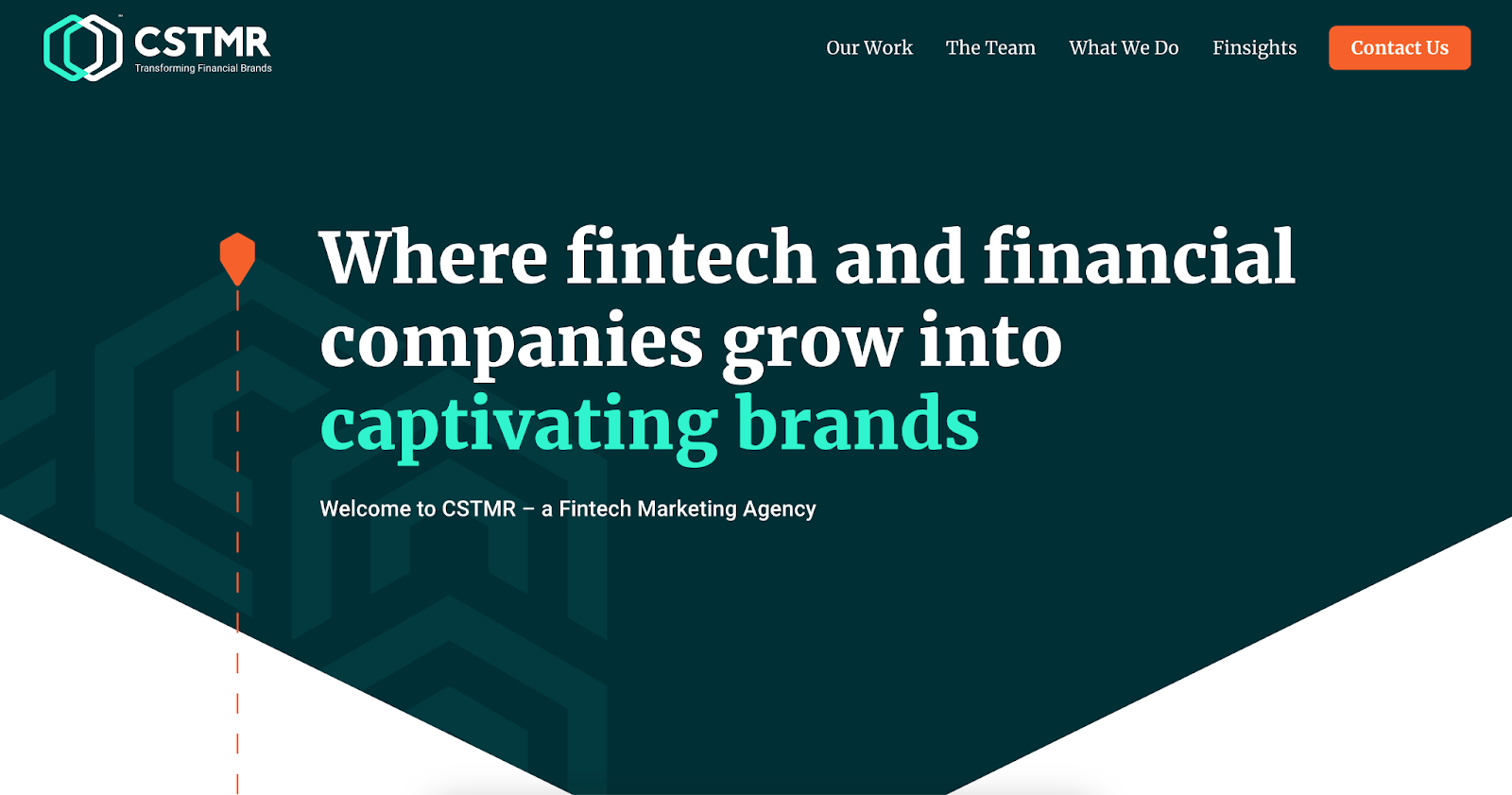
A fintech marketing agency is a specialized digital marketing firm that designs, executes, and optimizes marketing strategies exclusively for financial technology (fintech) companies, ensuring regulatory compliance, high customer acquisition efficiency, and sustainable revenue growth through data-driven, performance-based campaigns.
Core Explanation
A fintech marketing agency focuses on customer acquisition, retention, brand trust, and regulatory-safe promotion for financial products such as digital banking apps, payment gateways, lending platforms, crypto exchanges, insurtech solutions, and investment platforms.
Unlike traditional marketing agencies, fintech marketing agencies operate within strict financial advertising regulations, platform ad policies, and data privacy laws, making compliance-first strategy development a mandatory operational layer.
These agencies combine:
- Financial services marketing expertise
- Regulatory knowledge
- Performance marketing frameworks
- Advanced analytics
- AI-powered optimization
to create scalable growth systems for fintech brands.
How Fintech Marketing Differs from Traditional Marketing
| Aspect | Traditional Marketing | Fintech Marketing |
|---|---|---|
| Regulation Level | Low to moderate | Very high |
| Compliance Requirement | Optional | Mandatory |
| Customer Trust Factor | Medium | Critical |
| Data Privacy Sensitivity | Moderate | Extremely high |
| Platform Restrictions | Standard | Strict |
| Risk Exposure | Low | High |
Key distinction:
Fintech marketing prioritizes trust, security, compliance, and risk minimization before growth acceleration.
Core Functions of a Fintech Marketing Agency
- Compliance-first campaign planning
- Regulated ad copy creation
- Secure data-driven targeting
- Customer lifecycle optimization
- Performance tracking using fintech KPIs
- Conversion funnel optimization
- Brand trust engineering
Strategic Objectives of Fintech Marketing Agencies
| Objective | Business Impact |
|---|---|
| Customer acquisition optimization | Lower CAC, higher ROI |
| Regulatory compliance | Risk mitigation |
| Conversion rate optimization | Increased revenue |
| Retention strategy development | Higher LTV |
| Brand authority building | Trust & credibility |
Why Fintech Requires Specialized Marketing Expertise
Fintech companies operate in high-trust, high-risk, and high-compliance environments. Marketing errors can result in:
- Platform ad bans
- Legal penalties
- Regulatory sanctions
- Loss of consumer trust
A fintech marketing agency integrates financial compliance standards, data security protocols, and advertising regulations directly into campaign planning to ensure safe and scalable growth.
Summary
Fintech Marketing Agency — Quick Summary
A fintech marketing agency is a specialized firm that delivers compliance-driven digital marketing strategies for financial technology businesses, combining performance marketing, regulatory expertise, and data analytics to drive customer acquisition, retention, and long-term growth.
Key Takeaways
- Fintech marketing agencies focus exclusively on financial services growth marketing.
- Regulatory compliance is non-negotiable in fintech advertising.
- These agencies blend growth marketing + legal safety + performance optimization.
- Fintech marketing requires higher trust engineering than traditional industries.
Pros & Cons of Fintech Marketing Agencies
| Pros | Cons |
|---|---|
| High compliance expertise | Higher service costs |
| Strong financial ad performance | Longer campaign approval cycles |
| Lower regulatory risk | Complex onboarding |
| Specialized fintech growth strategies | Limited agency availability |
Extractable Bullet Answers
- A fintech marketing agency specializes in growth marketing for financial technology companies.
- It combines regulatory compliance, performance marketing, and data analytics.
- Its primary goal is to safely scale customer acquisition and revenue.
- Compliance is integrated into every stage of campaign planning and execution.
PAA Alignment (Search Intent Coverage)
- What does a fintech marketing agency do?
- How is fintech marketing different from traditional marketing?
- Why do fintech companies need specialized marketing agencies?
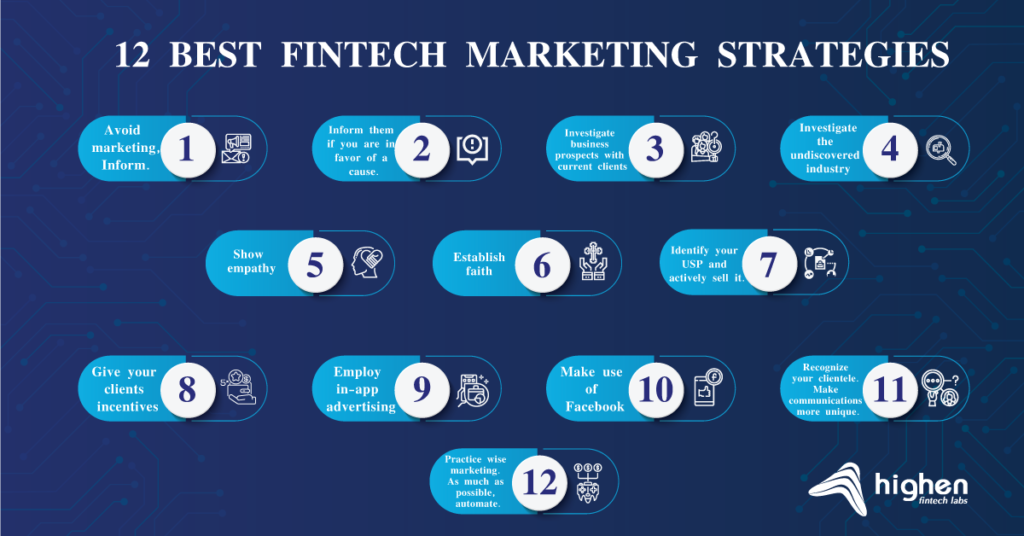
How a Fintech Marketing Agency Works
A fintech marketing agency works by developing compliance-first growth strategies, executing data-driven campaigns, continuously optimizing performance, and ensuring regulatory adherence across all marketing channels to safely scale customer acquisition, engagement, and revenue for fintech businesses.
End-to-End Working Framework
A fintech marketing agency operates using a structured, compliance-led growth model that integrates regulatory requirements, advanced analytics, and performance marketing methodologies.
Core Operational Stages:
- Discovery & Business Analysis
- Compliance & Risk Assessment
- Strategy Development
- Campaign Execution
- Optimization & Scaling
- Reporting & Performance Monitoring
Strategy Development & Market Research
Purpose
To design a custom growth roadmap aligned with fintech business goals, regulatory constraints, and target audience behavior.
Key Activities
- Market analysis & competitor benchmarking
- User persona development
- Customer journey mapping
- Funnel architecture planning
- Channel selection modeling
Output Deliverables
- Growth strategy blueprint
- Channel prioritization matrix
- KPI measurement framework
Strategy Planning Table
| Component | Purpose | Business Impact |
|---|---|---|
| Market Research | Identify demand patterns | Accurate targeting |
| Persona Mapping | Understand users | Higher conversions |
| Funnel Design | Optimize journeys | Lower CAC |
| Channel Planning | Budget efficiency | Higher ROI |
| KPI Framework | Performance tracking | Measurable growth |
Compliance-First Marketing Planning
Why Compliance Is Mandatory in Fintech Marketing
Fintech businesses operate under strict financial, advertising, and data protection regulations. Every marketing action must align with:
- Financial advertising laws
- Platform ad policies
- Data privacy regulations
- Financial consumer protection frameworks
Core Compliance Layers
| Compliance Area | Function |
|---|---|
| Financial Advertising Laws | Prevent misleading claims |
| Data Protection Regulations | Protect customer privacy |
| Platform Ad Policies | Prevent account bans |
| Consumer Protection Rules | Ensure ethical promotion |
Compliance Planning Checklist
- Ad copy legal screening
- Financial claim verification
- Risk disclosure inclusion
- Privacy policy compliance
- Platform policy alignment
Campaign Execution & Optimization
Execution Framework
Fintech marketing agencies deploy multi-channel performance marketing strategies with real-time optimization mechanisms.
Key Execution Channels
- SEO & content marketing
- Paid media (Google Ads, Meta Ads)
- App Store Optimization (ASO)
- Email automation & CRM
- Affiliate & partnership marketing
Optimization Workflow
| Phase | Action | Objective |
|---|---|---|
| Testing | A/B campaigns | Identify best performers |
| Scaling | Budget reallocation | Maximize ROAS |
| Optimization | Funnel improvements | Increase conversions |
| Retargeting | Audience segmentation | Improve LTV |
Data Analytics & Performance Tracking
Why Data Drives Fintech Marketing
Fintech marketing agencies rely on advanced analytics models to track user behavior, risk metrics, and revenue performance.
Core KPIs Tracked
| Metric | Purpose | Business Value |
|---|---|---|
| CAC | Acquisition cost | Budget efficiency |
| LTV | Customer value | Profit forecasting |
| ROAS | Ad performance | Revenue optimization |
| Conversion Rate | Funnel efficiency | Growth acceleration |
| Churn Rate | Retention measurement | Risk reduction |
Reporting Structure
- Weekly performance dashboards
- Monthly strategic growth reports
- Quarterly ROI evaluation
- Compliance audit documentation
Summary
How a Fintech Marketing Agency Works — Quick Summary
A fintech marketing agency operates through compliance-first strategy development, data-driven campaign execution, and continuous performance optimization to ensure regulatory safety, efficient customer acquisition, and scalable business growth for financial technology companies.
Key Takeaways
- Fintech agencies follow a structured growth framework.
- Compliance is embedded into every operational stage.
- Data analytics guides decision-making and optimization.
- Performance metrics determine budget allocation and scaling.
Pros & Cons (Operational Perspective)
| Pros | Cons |
|---|---|
| High regulatory safety | Longer planning cycles |
| Data-driven decisions | Higher setup complexity |
| Predictable growth modeling | More technical execution |
| Scalable marketing systems | Requires specialized expertise |
Extractable Bullet Answers
- Fintech marketing agencies use compliance-led growth models.
- They combine strategy, compliance checks, campaign execution, and analytics.
- Campaigns are continuously optimized using real-time performance data.
- Regulatory alignment is maintained throughout all marketing operations.
PAA Alignment
- How does a fintech marketing agency work?
- What process do fintech agencies follow?
- How do fintech agencies ensure compliance?
- How are fintech marketing campaigns optimized?
How a Fintech Marketing Agency Works
A fintech marketing agency works by combining compliance-first planning, data-driven strategy, multi-channel campaign execution, and continuous optimization to safely acquire, convert, and retain users for regulated financial technology products while meeting legal, platform, and data privacy requirements.
End-to-End Operational Framework
A fintech marketing agency follows a structured, compliance-led growth cycle that ensures regulatory safety, performance efficiency, and scalable revenue generation.
Core Workflow Stages
- Discovery & Business Assessment
- Compliance & Risk Evaluation
- Strategy Development
- Campaign Execution
- Optimization & Scaling
- Reporting & Performance Monit
Discovery & Business Analysis
Purpose
To understand the fintech product, business model, regulatory exposure, and growth objectives.
Key Activities
- Product & value proposition analysis
- Target audience segmentation
- Market demand evaluation
- Competitor benchmarking
- Funnel gap identification
Output Deliverables
- Market positioning report
- Customer persona profiles
- Growth opportunity map
Compliance & Risk Assessment
Why This Step Is Critical
Fintech marketing operates under strict financial advertising, data protection, and consumer protection regulations. Any marketing activity must comply with legal and platform standards before execution.
Compliance Evaluation Areas
| Compliance Layer | Function |
|---|---|
| Financial advertising laws | Prevent misleading claims |
| Platform ad policies | Avoid account bans |
| Data protection regulations | Ensure user privacy |
| Consumer protection rules | Maintain ethical standards |
| KYC & AML communication norms | Regulatory alignment |
Key Compliance Checks
- Claim validation
- Risk disclosure inclusion
- Data usage consent verification
- Platform policy alignment
- Legal content approval
Strategy Development
Strategic Planning Components
| Component | Purpose | Business Impact |
|---|---|---|
| Market Research | Identify growth gaps | Higher conversion rates |
| Funnel Architecture | Optimize user journey | Lower CAC |
| Channel Planning | Budget efficiency | Higher ROAS |
| KPI Framework | Performance tracking | Scalable growth |
Strategy Outcomes
- Channel-specific growth plans
- Budget allocation model
- Conversion funnel roadmap
- Performance benchmarks
Campaign Execution
Multi-Channel Deployment Model
Fintech agencies deploy campaigns across regulated and performance-focused digital channels.
Core Execution Channels
- SEO & fintech content marketing
- Google Ads & Meta Ads (policy-compliant)
- App Store Optimization (ASO)
- CRM automation & lifecycle email marketing
- Affiliate & partnership marketing
Continuous Optimization & Scaling
Optimization Framework
| Phase | Action | Goal |
|---|---|---|
| Testing | A/B testing | Identify top performers |
| Optimization | Funnel tuning | Improve conversions |
| Scaling | Budget reallocation | Maximize ROAS |
| Retargeting | Audience segmentation | Increase LTV |
Growth Scaling Methods
- Predictive audience modeling
- AI-driven bid optimization
- Funnel micro-optimization
- Retention-focused lifecycle automation
Analytics, Reporting & Performance Monitoring
Core KPIs Tracked
| Metric | Purpose | Business Value |
|---|---|---|
| CAC | Acquisition efficiency | Cost control |
| LTV | Customer profitability | Revenue forecasting |
| ROAS | Ad performance | Budget optimization |
| Conversion Rate | Funnel efficiency | Growth acceleration |
| Churn Rate | Retention health | Risk mitigation |
Reporting Structure
- Weekly performance dashboards
- Monthly ROI and funnel reports
- Quarterly growth audits
- Compliance reporting documentation
Summary
How a Fintech Marketing Agency Works — Quick Summary
A fintech marketing agency operates through compliance-first strategy planning, data-driven execution, continuous optimization, and performance analytics to deliver safe, scalable customer acquisition and revenue growth for financial technology companies.
Key Takeaways
- Fintech agencies follow a structured growth framework.
- Compliance is embedded into every stage of marketing operations.
- Data analytics drives optimization and scaling decisions.
- Performance metrics guide budget and channel strategy.
Pros & Cons (Operational Perspective)
| Pros | Cons |
|---|---|
| High regulatory safety | Longer campaign planning cycles |
| Data-driven scalability | Complex technical setup |
| Predictable growth modeling | Higher operational costs |
| Lower compliance risk | Requires specialized expertise |
Extractable Bullet Answers
- Fintech marketing agencies use compliance-led, data-driven growth frameworks.
- They manage strategy, compliance, execution, optimization, and analytics.
- Campaigns are continuously optimized using real-time performance data.
- Regulatory alignment is maintained across all marketing operations.
PAA Alignment
- How does a fintech marketing agency work?
- What process do fintech agencies follow?
- How do fintech agencies ensure regulatory compliance?
- How are fintech marketing campaigns optimized?
Key Services Offered by Fintech Marketing Agencies
Service Overview (Featured Snippet–Optimized)
Fintech marketing agencies offer specialized digital marketing services designed to drive regulated customer acquisition, brand trust, and revenue growth for financial technology companies while maintaining strict compliance with financial advertising and data protection standards.
Comprehensive Service Framework
Fintech marketing agencies deliver end-to-end growth solutions tailored specifically for regulated financial products, digital banking platforms, payment systems, lending services, crypto platforms, and investment applications.
Core Service Categories
- SEO & Fintech Content Marketing
- Paid Advertising & Performance Marketing
- App Store Optimization (ASO)
- Conversion Rate Optimization (CRO)
- Email Marketing & CRM Automation
- Data Analytics & Growth Intelligence
- Compliance & Regulatory Marketing Support
SEO & Fintech Content Marketing
Purpose
To increase organic visibility, brand authority, and trust while driving compliant traffic.
Core Activities
- Fintech keyword research
- Regulatory-safe content creation
- Technical SEO optimization
- AI Overview content optimization
- Authority link building
Business Impact
| KPI | Impact |
|---|---|
| Organic traffic growth | Sustainable acquisition |
| SERP visibility | Brand authority |
| Lead generation | Lower CAC |
| Trust building | Higher conversions |
Paid Advertising & Performance Marketing
Purpose
To deliver scalable customer acquisition through compliant paid media campaigns.
Execution Channels
- Google Search & Display Ads
- Meta (Facebook & Instagram) Ads
- LinkedIn B2B fintech campaigns
- Programmatic advertising
- Native advertising
Key Capabilities
- Policy-compliant ad copywriting
- Funnel-based campaign structuring
- ROAS optimization
- AI-driven bidding strategies
Paid Marketing Metrics Table
| Metric | Purpose | Growth Impact |
|---|---|---|
| CAC | Acquisition cost | Budget efficiency |
| ROAS | Revenue performance | Profit scaling |
| CTR | Ad relevance | Funnel quality |
| Conversion Rate | Funnel success | Growth acceleration |
App Store Optimization (ASO)
Purpose
To maximize organic installs and retention for fintech mobile applications.
Optimization Elements
- App title & keyword optimization
- Visual asset optimization
- User review management
- Conversion rate testing
- Install funnel optimization
Conversion Rate Optimization (CRO)
Purpose
To improve user activation, onboarding completion, and transaction adoption.
CRO Focus Areas
| Funnel Stage | Optimization Objective |
|---|---|
| Landing pages | Lead conversion |
| App onboarding | User activation |
| KYC flows | Drop-off reduction |
| Checkout | Transaction completion |
| Retention flows | LTV growth |
Email Marketing & CRM Automation
Purpose
To drive user engagement, retention, and lifetime value growth.
Automation Capabilities
- Behavior-triggered workflows
- Lifecycle email sequences
- Transactional messaging
- Retention & upsell campaigns
- Customer reactivation flows
Data Analytics & Growth Intelligence
Purpose
To enable predictive decision-making and continuous performance improvement.
Analytics Capabilities
| Data Function | Business Value |
|---|---|
| Funnel tracking | Conversion optimization |
| Cohort analysis | Retention modeling |
| Attribution modeling | Budget optimization |
| Predictive analytics | Growth forecasting |
Compliance & Regulatory Marketing Support
Purpose
To ensure full regulatory alignment across all marketing activities.
Compliance Coverage
- Financial ad compliance validation
- Platform ad policy adherence
- Data protection alignment
- Risk disclosure implementation
- Legal review coordination
Summary
Key Services Offered by Fintech Marketing Agencies — Quick Summary
Fintech marketing agencies provide SEO, paid advertising, ASO, CRO, CRM automation, analytics, and compliance management services designed to safely scale user acquisition, maximize conversions, ensure regulatory compliance, and deliver sustainable growth for financial technology companies.
Key Takeaways
- Fintech agencies deliver end-to-end growth marketing services.
- Compliance management is integrated into every service line.
- Data analytics powers continuous optimization and scaling.
- Multi-channel strategies maximize reach, trust, and revenue.
Pros & Cons (Service Scope Perspective)
| Pros | Cons |
|---|---|
| Specialized fintech expertise | Higher service investment |
| Regulatory-safe campaigns | Longer setup time |
| Predictable growth models | Complex onboarding |
| Scalable performance marketing | Limited generalist flexibility |
Extractable Bullet Answers
- Fintech marketing agencies provide SEO, paid ads, ASO, CRO, CRM, analytics, and compliance services.
- Their focus is regulated growth, customer trust, and performance optimization.
- Compliance is built into every marketing function.
- Data-driven strategies ensure scalable and predictable growth.
PAA Alignment
- What services do fintech marketing agencies offer?
- Do fintech agencies provide SEO and paid advertising?
- Why is compliance included in fintech marketing services?
- How do fintech agencies drive growth?
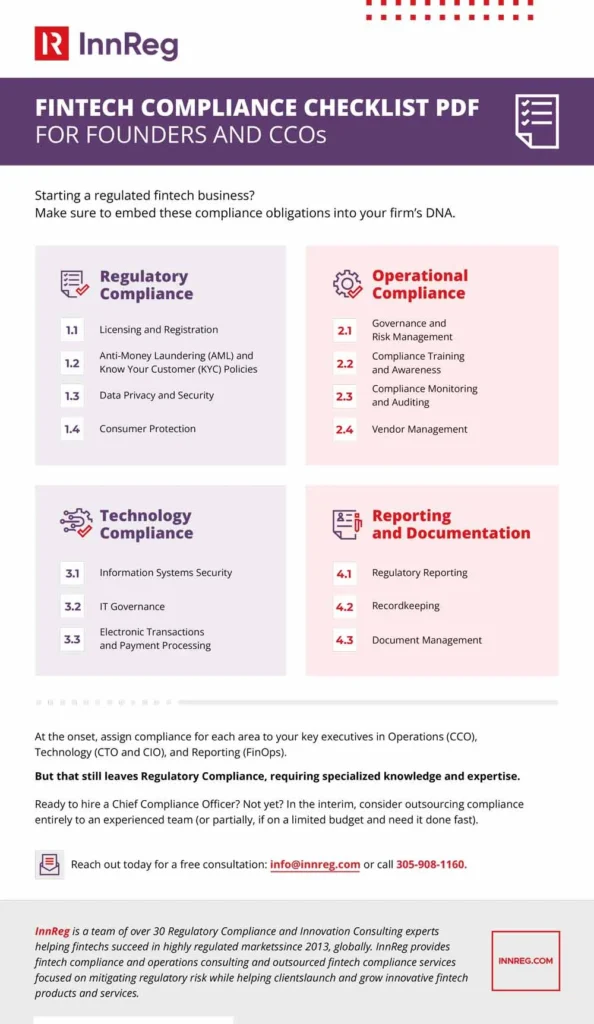
Fintech Marketing Strategies That Drive Growth
Strategy Overview (Featured Snippet–Optimized)
Fintech marketing strategies that drive growth focus on compliance-first acquisition, data-driven personalization, omnichannel engagement, performance optimization, and trust-based branding to sustainably increase customer acquisition, conversion rates, and lifetime value in regulated financial markets.
High-Performance Fintech Growth Framework
Fintech growth strategies must balance rapid scalability with regulatory safety, making traditional marketing playbooks insufficient. Fintech marketing agencies deploy specialized, compliance-aligned growth models built around performance data, customer trust, and long-term retention.
Core Strategic Pillars
- Omnichannel Growth Marketing
- Performance-Based Acquisition
- Funnel Optimization & CRO
- AI-Driven Personalization
- Trust & Authority Building
- Lifecycle Retention Marketing
Omnichannel Fintech Marketing Strategy
Purpose
To deliver consistent brand experience and frictionless user journeys across all digital touchpoints.
Core Channels
- Organic search (SEO)
- Paid search & display
- Social media advertising
- App store discovery
- Email & CRM communication
Omnichannel Growth Impact
| Channel | Objective | Growth Outcome |
|---|---|---|
| SEO | Long-term acquisition | Lower CAC |
| Paid Ads | Rapid scaling | High ROAS |
| ASO | App installs | Faster adoption |
| CRM | Retention | Higher LTV |
| Content | Trust building | Conversion uplift |
Performance-Based Growth Marketing
Purpose
To allocate marketing spend based on measurable ROI and predictive performance modeling.
Core Components
- Conversion tracking
- Attribution modeling
- Budget optimization
- Funnel-level optimization
- Revenue forecasting
Performance Strategy Model
| Metric | Function | Growth Impact |
|---|---|---|
| CAC | Cost control | Budget efficiency |
| LTV | Profitability | Revenue forecasting |
| ROAS | Ad optimization | Scalable growth |
| Conversion Rate | Funnel efficiency | Growth acceleration |
| Churn Rate | Retention health | Risk reduction |
Funnel Optimization & Conversion Rate Optimization (CRO)
Purpose
To reduce user friction, onboarding drop-offs, and transaction abandonment.
Funnel Optimization Areas
| Funnel Stage | Optimization Focus | Business Impact |
|---|---|---|
| Landing Pages | Messaging clarity | Higher leads |
| Signup | Friction reduction | More activations |
| KYC Process | Drop-off control | Higher onboarding |
| App Usage | Engagement triggers | Better retention |
| Payments | UX simplification | Higher transactions |
AI-Driven Personalization & Predictive Targeting
Purpose
To deliver hyper-personalized experiences using behavioral data and machine learning models.
AI Growth Applications
- Behavioral segmentation
- Predictive churn modeling
- Dynamic content personalization
- Smart bidding automation
- Real-time audience targeting
AI Marketing Impact
| AI Function | Outcome |
|---|---|
| Predictive modeling | Better retention |
| Smart targeting | Lower CAC |
| Personalized messaging | Higher CTR |
| Automated optimization | Faster scaling |
Trust & Authority Building Strategy
Why Trust Is Critical in Fintech Marketing
Fintech products manage money, identity, and sensitive data, making trust the primary conversion driver.
Trust Engineering Components
- Compliance transparency
- Security messaging
- Risk disclosure clarity
- Third-party certifications
- Educational content
Trust Growth Framework
| Trust Signal | User Impact | Business Result |
|---|---|---|
| Compliance badges | Safety perception | Higher signups |
| Security messaging | Data confidence | Lower churn |
| Educational content | Brand authority | Increased engagement |
| Reviews & ratings | Social proof | Higher conversions |
Lifecycle Marketing & Retention Strategy
Purpose
To maximize customer lifetime value (LTV) and minimize churn.
Lifecycle Optimization Stages
- Onboarding automation
- Behavioral triggers
- Engagement campaigns
- Upsell & cross-sell flows
- Reactivation sequences
Retention KPI Model
| Metric | Purpose | Growth Impact |
|---|---|---|
| Activation Rate | Onboarding success | Faster adoption |
| Retention Rate | Customer loyalty | Stable revenue |
| LTV | Profit modeling | Sustainable growth |
| Churn Rate | Risk indicator | Cost efficiency |
Summary
Fintech Marketing Strategies That Drive Growth — Quick Summary
Fintech growth strategies combine performance marketing, omnichannel engagement, AI-driven personalization, funnel optimization, and trust engineering to deliver scalable, compliant, and predictable customer acquisition and revenue growth in highly regulated financial markets.
Key Takeaways
- Fintech growth requires compliance-first strategy design.
- Performance data determines budget allocation and scaling.
- AI-powered personalization improves conversion and retention.
- Trust-building is essential for fintech user acquisition.
Pros & Cons (Strategic Perspective)
| Pros | Cons |
|---|---|
| Scalable growth | High implementation complexity |
| Predictable ROI | Advanced technical requirements |
| Compliance safety | Longer testing cycles |
| High user trust | Higher setup costs |
Extractable Bullet Answers
- Fintech growth strategies focus on compliance, performance data, AI optimization, and omnichannel marketing.
- Trust-building and security transparency are core conversion drivers.
- AI-powered personalization improves user engagement and retention.
- Lifecycle marketing maximizes customer lifetime value (LTV).
PAA Alignment
- What marketing strategies work best for fintech companies?
- Why is trust important in fintech marketing?
- How do fintech startups grow fast?
- How does AI improve fintech marketing?
- Read alsofintech marketing agency
Compliance & Regulatory Requirements in Fintech Marketing
Compliance and regulatory requirements in fintech marketing ensure that all advertising, data handling, and customer communications meet financial regulations, consumer protection laws, platform advertising policies, and data privacy standards to prevent legal risk, financial penalties, and loss of consumer trust.
Why Compliance Is Critical in Fintech Marketing
Fintech companies operate in highly regulated financial environments where marketing errors can lead to:
- Regulatory penalties
- Platform advertising bans
- Legal enforcement actions
- Reputational damage
- Customer trust erosion
Fintech marketing agencies integrate compliance frameworks directly into campaign planning, execution, and optimization to ensure regulatory safety and sustainable growth.
Financial Advertising Regulations
Purpose
To prevent misleading claims, financial misrepresentation, and deceptive marketing practices.
Key Regulatory Areas
| Regulation Area | Function | Business Impact |
|---|---|---|
| Truth-in-advertising laws | Prevent misleading claims | Legal safety |
| Financial promotion rules | Ensure disclosure clarity | Consumer protection |
| Risk disclosure mandates | Inform customers | Trust building |
| Interest rate transparency | Prevent deception | Regulatory compliance |
Data Protection & Privacy Laws
Purpose
To protect consumer identity, financial information, and behavioral data.
Core Data Protection Standards
| Regulation | Region | Primary Function |
|---|---|---|
| GDPR | European Union | Data privacy & consent |
| CCPA | United States (California) | Consumer data rights |
| PDPA | Asia-Pacific | Data protection |
| LGPD | Brazil | Personal data privacy |
Data Compliance Requirements
- User consent management
- Cookie policy enforcement
- Secure data processing
- Limited data retention
- Breach notification protocols
Platform Advertising Policies
Purpose
To comply with Google, Meta, LinkedIn, and programmatic ad platform policies governing financial promotions.
Platform Policy Coverage
| Platform | Compliance Focus |
|---|---|
| Google Ads | Financial product approval, disclosures |
| Meta Ads | Restricted financial targeting |
| LinkedIn Ads | Professional services compliance |
| Programmatic DSPs | Fraud & risk control |
Key Ad Policy Restrictions
- Crypto advertising restrictions
- Loan & credit product disclosures
- Investment risk warnings
- Restricted audience targeting
KYC, AML & Financial Crime Prevention Messaging
Purpose
To ensure lawful communication of financial verification processes and crime-prevention protocols.
Compliance Coverage Areas
| Compliance Standard | Purpose |
|---|---|
| KYC (Know Your Customer) | Identity verification |
| AML (Anti-Money Laundering) | Fraud prevention |
| CFT (Counter Financing of Terrorism) | Security enforcement |
| Transaction monitoring disclosure | Risk transparency |
Industry Security & Compliance Certifications
Purpose
To demonstrate operational security and data safety standards.
Key Certifications
| Certification | Function |
|---|---|
| PCI DSS | Payment data protection |
| SOC 2 | Data handling security |
| ISO 27001 | Information security management |
| HIPAA (Fintech health payments) | Healthcare data protection |
Compliance Workflow in Fintech Marketing Agencies
Compliance Execution Framework
- Legal audit & risk assessment
- Regulatory requirement mapping
- Content & ad copy screening
- Platform policy verification
- Data protection validation
- Continuous compliance monitoring
Compliance Checklist Table
| Compliance Layer | Control Measure | Risk Prevented |
|---|---|---|
| Legal | Claim verification | Legal penalties |
| Platform | Ad policy checks | Account bans |
| Data | Privacy enforcement | Data breaches |
| Security | Certification audits | Cyber risk |
| Consumer | Disclosure clarity | Trust loss |
Summary
Compliance in Fintech Marketing — Quick Summary
Compliance in fintech marketing ensures that advertising claims, customer data handling, and promotional strategies meet strict financial regulations, data privacy laws, and platform policies, protecting businesses from legal penalties, operational risk, and reputational damage.
Key Takeaways
- Fintech marketing operates under strict regulatory frameworks.
- Data privacy compliance is non-negotiable.
- Platform ad policies significantly affect campaign eligibility.
- Compliance-first marketing prevents financial and legal risk.
Pros & Cons (Compliance Perspective)
| Pros | Cons |
|---|---|
| Risk mitigation | Slower campaign approvals |
| Consumer trust | Higher compliance costs |
| Legal protection | Complex implementation |
| Platform stability | Limited creative freedom |
Extractable Bullet Answers
- Fintech marketing compliance includes financial advertising laws, data protection regulations, and platform ad policies.
- Compliance prevents legal penalties, ad bans, and reputational damage.
- Regulatory alignment is required before campaign execution.
- Data privacy and security are core compliance pillars.
PAA Alignment
- Why is compliance important in fintech marketing?
- What regulations affect fintech advertising?
- How do fintech companies follow ad compliance?
- What are fintech data privacy requirements?
Benefits of Hiring a Fintech Marketing Agency
Hiring a fintech marketing agency provides specialized expertise, compliance-driven growth strategies, data-backed performance optimization, and scalable customer acquisition, enabling fintech companies to grow faster, reduce regulatory risk, and maximize marketing ROI.
Strategic Advantages of Fintech Marketing Agencies
Fintech companies operate in highly regulated, high-trust digital environments where traditional marketing approaches often fail. Fintech marketing agencies deliver industry-specific expertise, regulatory safety, and advanced performance marketing frameworks designed to support rapid, sustainable growth.
Specialized Fintech Industry Expertise
Why Industry Specialization Matters
Fintech marketing requires deep understanding of financial products, compliance frameworks, and customer risk perception.
Core Expertise Areas
- Financial services user behavior
- Regulated advertising frameworks
- Secure data-driven targeting
- High-trust funnel design
Business Impact
| Benefit | Impact |
|---|---|
| Faster strategy execution | Reduced learning curve |
| Higher conversion rates | Better targeting |
| Lower CAC | Optimized spending |
| Regulatory safety | Risk reduction |
Regulatory Compliance & Risk Mitigation
Why Compliance Expertise Is Critical
Fintech agencies embed legal, regulatory, and platform policy compliance directly into campaign planning, preventing:
- Regulatory fines
- Ad account bans
- Legal enforcement actions
- Brand reputation damage
Risk Mitigation Framework
| Risk Type | Agency Control | Business Protection |
|---|---|---|
| Legal penalties | Regulatory screening | Legal safety |
| Platform bans | Ad policy enforcement | Campaign stability |
| Data breaches | Privacy protocols | Customer trust |
| Fraud exposure | KYC & AML messaging | Security alignment |
Data-Driven Performance Optimization
Purpose
To ensure maximum ROI and scalable growth through continuous data analysis and campaign optimization.
Optimization Capabilities
- Real-time analytics monitoring
- Funnel-level performance tuning
- Predictive growth modeling
- Budget optimization algorithms
Faster Time-to-Market & Scalability
Why Speed Matters in Fintech
Rapid innovation cycles require fast campaign deployment and scaling.
Scalability Advantages
- Faster campaign launches
- Agile optimization workflows
- Automated growth systems
- Predictable scaling frameworks
Access to Advanced Marketing Technology & Tools
Technology Stack Access
| Tool Category | Business Advantage |
|---|---|
| Analytics platforms | Accurate decision-making |
| AI optimization tools | Higher ROAS |
| CRM automation | Retention growth |
| Attribution modeling | Budget efficiency |
| Fraud detection tools | Risk reduction |
Improved Customer Trust & Brand Authority
Trust-Building Capabilities
- Transparent compliance messaging
- Security-focused communication
- Educational content marketing
- Credibility engineering
Summary
Benefits of Hiring a Fintech Marketing Agency — Quick Summary
Hiring a fintech marketing agency enables compliance-first growth, data-driven performance optimization, rapid scalability, regulatory safety, and high-trust customer acquisition, allowing fintech companies to grow faster while minimizing legal and operational risk.
Key Takeaways
- Fintech agencies offer specialized industry expertise.
- Compliance integration prevents legal and platform risk.
- Performance marketing ensures higher ROI and scalable growth.
- Advanced technology enables faster optimization and decision-making.
Pros & Cons (Decision Perspective)
| Pros | Cons |
|---|---|
| Faster growth | Higher investment |
| Regulatory safety | Longer onboarding |
| Specialized expertise | Vendor dependency |
| Scalable campaigns | Complex coordination |
Extractable Bullet Answers
- Fintech marketing agencies provide specialized industry expertise and compliance safety.
- They optimize campaigns using advanced analytics and performance data.
- Agencies enable faster growth and scalable customer acquisition.
- Regulatory compliance reduces legal, financial, and reputational risks.
PAA Alignment
- Why should fintech companies hire marketing agencies?
- What are the benefits of fintech marketing agencies?
- Are fintech marketing agencies worth it?
- How do fintech agencies reduce compliance risk?
How to Choose the Best Fintech Marketing Agency
To choose the best fintech marketing agency, evaluate industry experience, regulatory compliance expertise, performance-driven strategy, data transparency, technology capabilities, and proven results in financial services growth marketing.
Strategic Evaluation Framework
Selecting the right fintech marketing agency requires a structured, data-driven assessment process to ensure compliance safety, performance efficiency, and long-term scalability.
Industry Experience & Fintech Specialization
Why Fintech Experience Matters
Fintech marketing requires deep knowledge of regulated financial environments, user trust psychology, and compliance-driven advertising models.
Evaluation Criteria
- Years of fintech industry experience
- Portfolio of fintech clients
- Proven campaign results
- Industry case studies
Regulatory Compliance Expertise
Why Compliance Is Non-Negotiable
A qualified fintech agency must demonstrate clear operational knowledge of financial advertising laws, data privacy regulations, and platform ad policies.
Compliance Evaluation Checklist
| Compliance Area | What to Verify |
|---|---|
| Financial ad laws | Disclosure & claim validation process |
| Platform policies | Pre-launch ad review protocols |
| Data privacy | GDPR, CCPA alignment |
| Security standards | PCI DSS, SOC 2 awareness |
| Legal audits | Internal compliance workflows |
Performance-Driven Strategy & ROI Orientation
What to Look For
The agency should prioritize measurable growth, predictable ROI, and scalable performance marketing models.
Performance Assessment Metrics
| Metric | Evaluation Purpose |
|---|---|
| CAC reduction | Acquisition efficiency |
| ROAS growth | Revenue optimization |
| LTV increase | Profit sustainability |
| Conversion uplift | Funnel effectiveness |
Data Transparency & Reporting Capabilities
Why Transparency Matters
Clear performance reporting enables informed decision-making and continuous optimization.
Reporting Standards Checklist
- Real-time dashboards
- Weekly and monthly reports
- KPI-focused analytics
- Funnel performance insights
- Compliance audit tracking
Technology Stack & Automation Capabilities
Why Technology Matters
Advanced tools enable automation, predictive analytics, and high-speed optimization.
Technology Evaluation Areas
| Tool Category | Purpose |
|---|---|
| Analytics platforms | Performance tracking |
| CRM automation | Retention growth |
| AI optimization tools | ROAS scaling |
| Attribution modeling | Budget efficiency |
| Fraud detection systems | Risk prevention |
Strategic Communication & Collaboration Model
Collaboration Evaluation
- Dedicated account management
- Transparent communication workflows
- Strategic consultation support
- Cross-functional integration
Pricing Model & Contract Transparency
Pricing Evaluation Checklist
- Clear pricing structure
- Defined deliverables
- Performance-linked pricing models
- Transparent contract terms
- Exit flexibility
Red Flags to Avoid When Choosing a Fintech Marketing Agency
Critical Warning Signs
| Red Flag | Risk |
|---|---|
| No fintech portfolio | High learning curve |
| Lack of compliance knowledge | Legal risk |
| Guaranteed results | Unrealistic claims |
| No performance reporting | Low transparency |
| Black-box strategies | Limited control |
Fintech Marketing Agency Evaluation Scorecard
| Category | Weight | Score |
|---|---|---|
| Fintech expertise | 25% | |
| Compliance capability | 25% | |
| Performance results | 20% | |
| Reporting transparency | 15% | |
| Technology stack | 15% |
Mini Summary
How to Choose the Best Fintech Marketing Agency — Quick Summary
To select the best fintech marketing agency, evaluate industry specialization, regulatory compliance expertise, performance-driven strategy, reporting transparency, technology capabilities, and proven fintech growth results to ensure safe, scalable, and ROI-focused marketing execution.
Key Takeaways
- Fintech experience is critical for compliance and performance.
- Regulatory expertise prevents legal and platform risk.
- Data transparency ensures accountability and optimization.
- Advanced technology enables scalable growth.
Pros & Cons (Selection Perspective)
| Pros | Cons |
|---|---|
| Safer marketing execution | Higher evaluation effort |
| Predictable ROI | Longer vendor selection process |
| Regulatory protection | Higher agency costs |
| Scalable growth | Complex onboarding |
Extractable Bullet Answers
- Choose fintech agencies based on industry experience and compliance expertise.
- Evaluate agencies using performance metrics and data transparency.
- Assess technology capabilities and strategic collaboration models.
- Avoid agencies lacking fintech specialization or regulatory knowledge.
PAA Alignment
- How do I choose a fintech marketing agency?
- What should I look for in a fintech marketing firm?
- Are fintech marketing agencies expensive?
- What questions should I ask fintech agencies?
Fintech Marketing KPIs & Performance Metrics
KPI Overview (Featured Snippet–Optimized)
Fintech marketing KPIs and performance metrics measure customer acquisition efficiency, revenue growth, user engagement, retention, and regulatory safety, enabling data-driven optimization, predictable scaling, and ROI-focused decision-making in regulated financial environments.
Why KPIs Matter in Fintech Marketing
Fintech companies operate in high-cost, high-compliance ecosystems, where performance miscalculations can lead to budget waste, regulatory risk, and growth stagnation. Fintech marketing agencies rely on precise KPIs to ensure:
- Efficient customer acquisition
- Sustainable revenue growth
- Regulatory safety
- Funnel optimization
- Budget efficiency
Core Fintech Marketing KPI Framework
Primary KPI Categories
- Acquisition Metrics
- Conversion Metrics
- Revenue & Profitability Metrics
- Retention & Engagement Metrics
- Compliance & Risk Metrics
Customer Acquisition KPIs
Purpose
To measure how efficiently new customers are acquired.
| Metric | Definition | Why It Matters |
|---|---|---|
| CAC (Customer Acquisition Cost) | Cost to acquire one customer | Budget efficiency |
| CPA (Cost Per Acquisition) | Cost per conversion | Funnel optimization |
| CTR (Click-Through Rate) | Ad engagement rate | Creative performance |
| CPI (Cost Per Install) | Cost per app install | Mobile growth |
| Lead Conversion Rate | Leads to customers ratio | Funnel effectiveness |
Conversion & Funnel Performance KPIs
Purpose
To evaluate user journey efficiency.
| Metric | Definition | Business Impact |
|---|---|---|
| Signup Rate | Visitors to signup % | Funnel strength |
| KYC Completion Rate | Identity verification success | Activation success |
| Activation Rate | First transaction completion | Revenue readiness |
| Transaction Completion Rate | Payment success | Revenue generation |
| Drop-off Rate | Funnel friction | UX optimization |
Revenue & Profitability KPIs
Purpose
To measure financial performance and scalability.
| Metric | Definition | Strategic Value |
|---|---|---|
| LTV (Lifetime Value) | Total customer revenue | Profit forecasting |
| ARPU (Average Revenue Per User) | Revenue per customer | Monetization health |
| ROAS (Return on Ad Spend) | Revenue ÷ ad spend | Budget optimization |
| Gross Margin | Revenue − costs | Profit sustainability |
| Payback Period | Time to recover CAC | Risk control |
Retention & Engagement KPIs
Purpose
To track customer loyalty and churn control.
| Metric | Definition | Growth Impact |
|---|---|---|
| Retention Rate | Active users over time | Stability |
| Churn Rate | User loss rate | Risk mitigation |
| DAU/MAU Ratio | Engagement frequency | Product-market fit |
| Session Frequency | Usage intensity | Product stickiness |
| Reactivation Rate | Dormant user return | LTV growth |
Compliance & Risk Performance Metrics
Purpose
To ensure regulatory safety and platform stability.
| Metric | Definition | Risk Control |
|---|---|---|
| Ad rejection rate | Disapproved ads | Policy alignment |
| Compliance audit score | Regulatory adherence | Legal safety |
| Data breach incidents | Security failures | Risk exposure |
| Policy violation flags | Platform compliance | Account protection |
| Regulatory complaint rate | User disputes | Trust management |
Fintech KPI Prioritization Matrix
| Business Stage | Primary KPIs | Focus Objective |
|---|---|---|
| Startup | CAC, CPI, Signup Rate | Market entry |
| Growth | ROAS, Activation, LTV | Scale acquisition |
| Expansion | Retention, ARPU, Churn | Profitability |
| Enterprise | Compliance metrics, LTV | Stability & trust |
Mini Summary
Fintech Marketing KPIs & Metrics — Quick Summary
Fintech marketing KPIs track acquisition efficiency, funnel performance, revenue growth, customer retention, and regulatory compliance, enabling fintech companies to optimize campaigns, control costs, scale predictably, and maintain regulatory safety.
Key Takeaways
- KPIs guide data-driven fintech growth decisions.
- Acquisition metrics control marketing efficiency.
- Revenue metrics determine profitability and scaling.
- Compliance KPIs prevent legal and platform risk.
Pros & Cons (Measurement Perspective)
| Pros | Cons |
|---|---|
| Predictable growth | Complex analytics setup |
| Cost control | Advanced tracking required |
| Regulatory safety | High data dependency |
| Performance transparency | Longer optimization cycles |
Extractable Bullet Answers
- Fintech KPIs measure acquisition, conversion, revenue, retention, and compliance performance.
- CAC, LTV, and ROAS are core fintech growth metrics.
- Compliance KPIs protect against regulatory and platform risk.
- Data-driven measurement enables predictable and scalable growth.
PAA Alignment
- What KPIs are important in fintech marketing?
- How do fintech companies measure marketing performance?
- What metrics define fintech growth?
- How is ROI measured in fintech marketing?
Fintech Marketing Case Examples (Industry Use Cases)
Fintech marketing case examples demonstrate how compliance-driven strategies, performance marketing, data analytics, and trust-focused branding help digital banking, payment, lending, investment, and crypto platforms achieve scalable growth, improved conversion rates, and higher customer lifetime value.
Why Industry Use Cases Matter in Fintech Marketing
Industry-specific use cases highlight real-world application of fintech marketing strategies, showing how performance frameworks, compliance alignment, and data-driven optimization translate into measurable business results.
They provide:
- Proven growth models
- Strategy benchmarks
- Funnel optimization insights
- Regulatory-safe execution examples
Digital Banking & Neobank Growth Marketing
Business Objective
Increase account sign-ups, user activation, and transaction volume while maintaining regulatory compliance.
Core Marketing Strategies
- SEO-driven content acquisition
- Policy-compliant Google Ads & Meta Ads
- App Store Optimization (ASO)
- Trust-focused landing pages
- KYC funnel optimization
Key KPIs Tracked
| Metric | Purpose |
|---|---|
| CAC | Cost efficiency |
| Signup rate | Acquisition success |
| KYC completion rate | Activation |
| First transaction rate | Revenue readiness |
| Retention rate | Stability |
Growth Outcomes
- Lower acquisition costs
- Faster onboarding
- Higher app engagement
- Improved trust conversion
Payment Gateway & Digital Wallet Platforms
Business Objective
Drive merchant acquisition, transaction volume, and platform adoption.
Core Marketing Strategies
- B2B lead generation campaigns
- High-intent keyword targeting
- Funnel-based paid acquisition
- Technical SEO for payment queries
- Conversion-optimized onboarding
Performance KPIs
| Metric | Purpose |
|---|---|
| Merchant signup rate | Lead quality |
| Activation rate | Platform adoption |
| Transaction success rate | Revenue generation |
| ARPU | Monetization |
| Retention | Stability |
Lending & Credit Platform Marketing
Business Objective
Generate high-quality borrower leads while ensuring strict compliance and risk transparency.
Core Marketing Strategies
- Compliance-driven paid advertising
- Educational content marketing
- Risk disclosure integration
- Lead qualification funnels
- AI-driven targeting
Risk-Control KPIs
| Metric | Purpose |
|---|---|
| CPA | Lead cost control |
| Loan approval rate | Lead quality |
| Default rate | Risk assessment |
| Compliance audit score | Legal safety |
| ROAS | Profit optimization |
Crypto Exchanges & Blockchain Platforms
Business Objective
Drive user signups, deposits, and trading activity while navigating strict ad regulations.
Core Marketing Strategies
- Content-driven SEO growth
- Community-based growth marketing
- Platform-compliant paid acquisition
- Trust & security messaging
- Education-based onboarding
Growth Metrics
| Metric | Purpose |
|---|---|
| CAC | Cost efficiency |
| Signup-to-KYC rate | Activation |
| Deposit conversion | Revenue readiness |
| Trading volume | Monetization |
| Compliance approval rate | Platform stability |
Investment & Wealth Management Platforms
Business Objective
Increase investor onboarding, portfolio activation, and long-term asset retention.
Core Marketing Strategies
- High-trust educational content
- AI-powered personalization
- Funnel-based lead nurturing
- Compliance-first messaging
- Lifecycle marketing automation
Performance KPIs
| Metric | Purpose |
|---|---|
| Lead conversion rate | Funnel success |
| Activation rate | Portfolio creation |
| Assets under management (AUM) | Revenue growth |
| LTV | Profitability |
| Retention rate | Stability |
Fintech Industry Use Case Comparison Table
| Fintech Segment | Primary Goal | Core Strategy | Key KPI |
|---|---|---|---|
| Digital Banking | User acquisition | SEO + Paid + ASO | CAC |
| Payment Platforms | Merchant growth | B2B funnels | Activation rate |
| Lending Platforms | Qualified leads | Compliance ads | CPA |
| Crypto Platforms | User trust & deposits | Content + community | Deposit conversion |
| Investment Platforms | Asset growth | Education funnels | AUM |
Summary
Fintech Marketing Use Cases — Quick Summary
Fintech marketing use cases across digital banking, payments, lending, crypto, and investment platforms demonstrate how compliance-driven strategies, performance optimization, and trust engineering deliver scalable customer acquisition, higher conversions, and long-term revenue growth.
Key Takeaways
- Each fintech vertical requires custom growth strategies.
- Compliance and trust are critical conversion drivers.
- Data-driven funnels improve efficiency and scalability.
- Industry use cases guide predictable performance modeling.
Pros & Cons (Use Case Strategy Perspective)
| Pros | Cons |
|---|---|
| Proven frameworks | Complex customization |
| Lower trial & error | Longer planning cycles |
| Predictable scaling | High execution effort |
| Regulatory safety | Specialized expertise needed |
Extractable Bullet Answers
- Fintech marketing use cases include digital banking, payments, lending, crypto, and investment platforms.
- Growth strategies combine compliance, performance marketing, and funnel optimization.
- Trust engineering and regulatory safety drive higher conversion rates.
- Industry-specific strategies enable scalable and predictable growth.
PAA Alignment
- How do fintech companies market their products?
- What marketing strategies work for fintech startups?
- How do digital banks acquire customers?
- How do crypto platforms grow safely?
Future Trends in Fintech Marketing
Trend Overview (Featured Snippet–Optimized)
Future trends in fintech marketing are driven by AI-powered personalization, privacy-first data strategies, predictive analytics, omnichannel automation, trust-centric branding, and regulatory-driven innovation, enabling fintech companies to achieve compliant, scalable, and high-efficiency customer acquisition and retention.
Strategic Direction of Fintech Marketing Evolution
Fintech marketing is rapidly evolving due to technological advancements, regulatory expansion, consumer trust demands, and AI-driven automation. Future growth models focus on data intelligence, compliance resilience, personalization, and ecosystem-based engagement.
AI-Powered Personalization & Predictive Marketing
Why AI Will Dominate Fintech Marketing
AI enables real-time behavioral analysis, predictive segmentation, and hyper-personalized user experiences, improving efficiency while maintaining compliance.
Key AI Applications
| AI Capability | Growth Impact |
|---|---|
| Predictive churn modeling | Higher retention |
| Dynamic content personalization | Higher CTR |
| Smart bidding automation | Better ROAS |
| Predictive LTV modeling | Revenue forecasting |
| Behavioral segmentation | Lower CAC |
Privacy-First & Cookieless Marketing Strategies
Why Privacy Will Redefine Fintech Marketing
Data privacy regulations and platform restrictions are accelerating the shift toward first-party data strategies and privacy-centric marketing models.
Core Privacy-First Methods
- First-party data ecosystems
- Zero-party data collection
- Contextual targeting
- Server-side tracking
- Consent-driven analytics
Predictive Analytics & Real-Time Optimization
Purpose
To enable forecast-driven growth planning and instant campaign optimization.
Predictive Growth Capabilities
| Capability | Strategic Value |
|---|---|
| Forecast modeling | Budget accuracy |
| LTV prediction | Profit optimization |
| Funnel prediction | Conversion uplift |
| Churn risk scoring | Retention control |
Omnichannel Automation & Lifecycle Orchestration
Purpose
To create seamless, cross-platform customer journeys.
Automation Use Cases
- Multi-touch attribution automation
- CRM lifecycle orchestration
- Real-time retargeting
- Predictive upselling
- Cross-device personalization
Trust-Centric Branding & Financial Education Marketing
Why Trust Will Dominate Growth Models
Future fintech marketing will emphasize transparency, security, and financial literacy, as trust becomes the primary conversion factor.
Trust-Building Techniques
- Transparent compliance communication
- Educational content hubs
- Security transparency dashboards
- Open disclosure models
- Community-based education
Regulatory Technology (RegTech) Integration
Purpose
To automate compliance management, policy monitoring, and legal risk control.
RegTech Capabilities
| Function | Business Impact |
|---|---|
| Automated ad screening | Faster approvals |
| Real-time compliance checks | Lower legal risk |
| Policy change monitoring | Platform stability |
| Risk scoring models | Predictable safety |
Web3, Blockchain & Decentralized Marketing Models
Purpose
To enable trustless transparency, decentralized identity, and tokenized engagement ecosystems.
Web3 Marketing Use Cases
- Blockchain-based loyalty programs
- Decentralized identity verification
- Tokenized community incentives
- Smart contract-based referral systems
Fintech Marketing Future Trend Comparison Table
| Trend | Strategic Benefit | Growth Impact |
|---|---|---|
| AI personalization | Precision targeting | Higher ROI |
| Privacy-first marketing | Compliance safety | Stable scaling |
| Predictive analytics | Forecast accuracy | Faster growth |
| Omnichannel automation | Journey optimization | Higher LTV |
| RegTech integration | Legal protection | Risk mitigation |
| Web3 marketing | Trust innovation | Next-gen engagement |
Summary
Future Trends in Fintech Marketing — Quick Summary
Future fintech marketing will be shaped by AI-powered personalization, privacy-first data strategies, predictive analytics, omnichannel automation, trust-centric branding, and regulatory technology integration, enabling compliant, scalable, and high-efficiency growth models.
Key Takeaways
- AI will dominate fintech marketing personalization and optimization.
- Privacy-first strategies will replace cookie-based tracking models.
- Predictive analytics will guide growth forecasting and budget planning.
- Trust-centric branding will become the primary conversion driver.
Pros & Cons (Future Strategy Perspective)
| Pros | Cons |
|---|---|
| Higher efficiency | Advanced technical complexity |
| Predictable scaling | High implementation cost |
| Regulatory resilience | Skill-intensive operations |
| Personalized experiences | Data infrastructure dependency |
Extractable Bullet Answers
- Future fintech marketing trends include AI personalization, privacy-first strategies, predictive analytics, and omnichannel automation.
- Trust-centric branding and financial education will drive higher conversions.
- RegTech tools will automate compliance management.
- Web3 will introduce decentralized engagement models.
PAA Alignment
- What is the future of fintech marketing?
- How will AI impact fintech marketing?
- What trends will shape fintech advertising?
- How will privacy laws affect fintech marketing?
Short Conclusion
Fintech marketing requires a highly specialized, compliance-driven, and data-powered approach to achieve sustainable growth in regulated financial environments. A fintech marketing agency combines industry expertise, regulatory compliance, advanced analytics, and performance optimization to help financial technology companies scale customer acquisition, build trust, and maximize lifetime value. As fintech continues to evolve, AI, automation, privacy-first strategies, and trust-centric branding will define the future of successful fintech marketing.
Frequently Asked Questions (FAQs)
1. What does a fintech marketing agency do?
A fintech marketing agency designs and executes compliance-first growth strategies for financial technology companies, focusing on customer acquisition, retention, performance optimization, and regulatory safety across digital channels.
2. Why is fintech marketing different from traditional marketing?
Fintech marketing operates in highly regulated environments that require strict compliance with financial advertising laws, data privacy regulations, and platform policies, making trust, security, and regulatory alignment critical success factors.
3. How much does a fintech marketing agency cost?
Costs vary based on service scope, market region, and growth objectives, typically ranging from monthly retainers, project-based pricing, or performance-based models, depending on campaign complexity and compliance requirements.
4. Are fintech ads regulated?
Yes. Fintech advertising must comply with financial promotion laws, consumer protection rules, platform ad policies, and data privacy regulations, ensuring transparency, accuracy, and user protection.
5. What KPIs are most important in fintech marketing?
Key fintech marketing KPIs include Customer Acquisition Cost (CAC), Lifetime Value (LTV), Return on Ad Spend (ROAS), Conversion Rate, Retention Rate, and Compliance Performance Metrics.
6. How do fintech startups grow customers safely?
Fintech startups grow safely by using compliance-first marketing strategies, performance-driven acquisition models, trust-based branding, and data-backed optimization frameworks.
7. Is hiring a fintech marketing agency worth it?
Yes. Fintech marketing agencies provide specialized expertise, regulatory protection, advanced analytics, and scalable growth systems, enabling fintech companies to grow faster with reduced legal and operational risk.
Complete References List (Credible Sources Only)
- Google Ads – Financial Services Advertising Policies
https://support.google.com/adspolicy/answer/2464998 - Meta Advertising Policies – Financial Products and Services
https://www.facebook.com/policies/ads - European Union – General Data Protection Regulation (GDPR)
https://gdpr.eu - California Consumer Privacy Act (CCPA) – State of California
https://oag.ca.gov/privacy/ccpa - Financial Conduct Authority (FCA) – Financial Promotions Guidance (UK)
https://www.fca.org.uk - World Economic Forum – The Future of Fintech Report
https://www.weforum.org - McKinsey & Company – Global Fintech Industry Insights
https://www.mckinsey.com/industries/financial-services/our-insights - Deloitte – Fintech & Digital Banking Marketing Reports
https://www2.deloitte.com - HubSpot – Marketing Automation & CRM Analytics Research
https://www.hubspot.com/resources - Statista – Global Fintech Market Data & Growth Statistics
https://www.statista.com