
What Is Biblical Money Management?
Biblical money management refers to the practice of handling financial resources according to teachings found in the Bible, emphasizing stewardship, discipline, planning, generosity, and ethical responsibility. It views money not as personal ownership, but as a trust from God, requiring wise and faithful management.
Core Biblical Perspective on Money
The Bible presents money as a tool, not a goal. Financial resources are meant to support daily needs, provide security, enable generosity, and fulfill moral responsibilities. Scripture consistently emphasizes:
- Stewardship over ownership
- Responsibility over indulgence
- Long-term planning over short-term spending
- Generosity over hoarding
This framework promotes balanced financial living grounded in faith, accountability, and ethical conduct.
Why the Bible Emphasizes Money Management
Money-related topics appear over 2,300 times in the Bible, more than prayer or faith, highlighting its significance in everyday life. According to biblical teaching:
- Financial decisions reflect spiritual priorities
- Money management demonstrates personal discipline
- Stewardship shows faithfulness and responsibility
- Wise planning prevents financial hardship
Biblical financial guidance aims to establish stability, integrity, and long-term provision, rather than wealth accumulation.
Key Biblical Concepts Behind Money Management
| Concept | Meaning | Financial Application |
|---|---|---|
| Stewardship | Managing what belongs to God | Responsible spending and saving |
| Provision | God supplies needs | Avoid anxiety-driven decisions |
| Planning | Preparing for future needs | Budgeting and saving |
| Generosity | Supporting others | Tithing and charitable giving |
| Contentment | Satisfaction with enough | Avoiding greed and excess |
Biblical Money Management vs Modern Financial Systems
| Biblical Teaching | Modern Financial Equivalent |
|---|---|
| Stewardship | Asset management |
| Budgeting | Financial planning |
| Debt avoidance | Low debt-to-income ratio |
| Saving | Emergency funds & retirement planning |
| Generosity | Charitable giving |
This alignment shows that biblical principles remain financially relevant in modern economic systems.
How Biblical Money Management Works in Daily Life
- Establishing a structured budget
- Saving consistently
- Avoiding unnecessary debt
- Practicing generosity
- Making ethical financial choices
- Planning for long-term needs
QUICK FACTS
- Biblical money management focuses on stewardship, planning, discipline, and generosity.
- The Bible views money as a trust from God, not personal ownership.
- Financial decisions are considered spiritual responsibilities.
- Scripture emphasizes saving, debt avoidance, and ethical earning.
Summary
Understanding Biblical Money Management:
Biblical money management is a faith-based financial framework built on stewardship, ethical earning, disciplined budgeting, saving, generosity, and contentment. It promotes financial stability, moral responsibility, and long-term provision.
Key Takeaways
- Money is a responsibility, not an entitlement
- Financial discipline reflects spiritual maturity
- Planning and saving are biblical practices
- Generosity is a core financial principle
- Understanding Biblical Money Management


- Managing Money Effectively: Complete Guide to Financial Control | BizFusionWorksRead the blog:
Common Misconceptions
- Wealth is sinful → ❌ The Bible warns against love of money, not money itself
- Budgeting shows lack of faith → ❌ Planning is repeatedly encouraged
- Giving causes financial loss → ❌ Biblical teaching emphasizes long-term provision
- God Owns Everything — Stewardship Over Ownership
Biblical Explanation
The foundational principle of biblical money management is stewardship, which teaches that God is the ultimate owner of all resources, and humans are entrusted as managers rather than absolute owners. This perspective shifts financial behavior from entitlement to responsibility.
Biblical stewardship emphasizes:
Accountability in financial decisions
Responsible use of resources
Long-term planning
Ethical financial conduct
Stewardship requires individuals to manage money wisely, faithfully, and purposefully, aligning spending, saving, and giving with biblical values.
Key Bible Verses Supporting Stewardship
Scripture
Core Teaching
Psalm 24:1
God owns everything
Haggai 2:8
Wealth belongs to God
1 Corinthians 4:2
Faithfulness in management
Luke 16:11
Trustworthiness with money
What Stewardship Means in Financial Terms
Stewardship Principle
Practical Financial Meaning
God owns all wealth
Money is a trust, not possession
Humans are stewards
Responsible management
Accountability
Thoughtful spending and saving
Faithfulness
Long-term financial discipline
Practical Financial Applications of Stewardship
1. Budgeting with Purpose
Spending is guided by necessity, responsibility, and value rather than impulse or excess.
2. Responsible Saving
Saving is viewed as preparing for future needs, emergencies, and family stability.
3. Ethical Earning
Income is earned honestly, fairly, and without exploitation.
4. Generous Giving
Financial resources are shared to support others, charitable causes, and community welfare.
Modern-Day Financial Examples
Financial Decision
Stewardship-Based Action
Income management
Allocate responsibly
Spending choices
Prioritize needs over wants
Debt usage
Avoid unnecessary borrowing
Wealth growth
Use ethically and purposefully
Why Stewardship Improves Financial Stability
Stewardship promotes:
Reduced debt
Increased savings discipline
Controlled spending
Purpose-driven wealth
Long-term financial security
This leads to sustainable financial well-being rather than short-term financial satisfaction.
Extractable Key Facts
Biblical stewardship teaches that God owns all wealth, and humans manage it responsibly.
Stewardship promotes budgeting, saving, generosity, and ethical earning.
Financial accountability is a spiritual responsibility.
Wise stewardship leads to long-term financial stability.
Summary
Principle of Stewardship:
God owns all resources, and individuals are entrusted to manage money wisely, ethically, and responsibly. Stewardship forms the foundation of all biblical financial principles.
Key Takeaways
Money is a responsibility, not ownership
Financial decisions require accountability
Stewardship promotes discipline and planning
Ethical financial management aligns faith with finances - Stewardship Over Ownership


Pros & Cons of Stewardship-Based Money Management
Pros
Promotes financial discipline
Encourages responsible spending
Builds long-term security
Strengthens ethical behavior
Cons
Requires consistent self-control
Demands long-term financial commitment
Common Mistakes & Misconceptions
Confusing ownership with stewardship
Overspending due to entitlement thinking
Ignoring accountability
Neglecting budgeting and planning - Principle 2: Earn Honestly and Diligently
Biblical Explanation
The Bible strongly emphasizes honest work, integrity, and diligence as core principles of financial management. Earning income through lawful, ethical, and diligent labor is presented as a moral responsibility. Financial gain should never come through deceit, exploitation, or unjust practices.
Biblical teaching promotes:
Honest labor
Ethical business conduct
Hard work and perseverance
Integrity in financial dealings
Earning honestly establishes financial credibility, long-term stability, and moral accountability.
Key Bible Verses Supporting Honest Earning
Scripture
Core Teaching
Proverbs 11:1
God values honest transactions
Proverbs 10:4
Diligent work leads to prosperity
Colossians 3:23
Work wholeheartedly
2 Thessalonians 3:10
Value productive labor
Proverbs 13:11
Steady earnings build wealth
What Honest and Diligent Earning Means Financially
Principle
Financial Meaning
Practical Outcome
Honesty
Fair income sources
Trust and stability
Diligence
Consistent effort
Sustainable earnings
Integrity
Ethical business
Long-term success
Discipline
Reliable productivity
Income growth
Practical Financial Applications
1. Ethical Employment
Choosing lawful, honest professions and rejecting income from harmful or deceptive activities.
2. Consistent Work Ethic
Maintaining reliability, punctuality, and productivity.
3. Transparent Financial Practices
Accurate reporting, honest billing, and ethical pricing.
4. Skill Development
Improving abilities to increase earning capacity responsibly.
Modern-Day Financial Examples
Situation
Biblical Financial Response
Business transactions
Fair pricing and transparency
Employment conduct
Reliable and productive work
Freelancing
Honest billing
Investments
Ethical income sources
Why Honest Earning Builds Financial Security
Creates sustainable income
Builds long-term trust
Reduces legal and financial risks
Encourages steady wealth growth
Supports ethical financial ecosystems
Biblical wisdom links diligence directly to stable prosperity and financial reliability.
Extractable Key Facts
The Bible commands honest labor and ethical income generation.
Diligence and integrity lead to financial stability and long-term success.
Scripture consistently warns against dishonest financial gain.
Honest earning builds trust, security, and sustainable wealth.
Summary
Principle of Honest Earning:
The Bible teaches that income should be earned through diligence, integrity, and ethical labor. Honest work establishes financial stability, moral accountability, and long-term provision.
Key Takeaways
Work should be ethical and diligent
Integrity ensures financial trustworthiness
Honest income promotes sustainable wealth
Discipline strengthens earning capacity
Pros & Cons of Honest Earning
Pros
Builds long-term trust
Reduces financial risk
Supports stable income
Encourages ethical living
Cons
Requires patience
Slower wealth accumulation compared to unethical shortcuts
Common Mistakes & Misconceptions
Believing wealth justifies unethical methods
Ignoring integrity for faster profit
Underestimating steady income growth
Overlooking ethical responsibility - Honest Earning & Diligence



- Principle 3: Budget Wisely and Plan Ahead
Biblical Explanation
The Bible consistently teaches the importance of planning, foresight, and disciplined financial management. Budgeting is presented as a tool for ensuring financial stability, avoiding waste, and preparing for future responsibilities. Wise financial planning reflects prudence, self-control, and stewardship.
Biblical money management emphasizes:
Thoughtful financial planning
Clear prioritization of needs
Long-term financial preparation
Responsible use of resources
Budgeting helps align spending with values, responsibilities, and long-term goals.
Key Bible Verses Supporting Budgeting and Planning
Scripture
Core Teaching
Luke 14:28
Plan before spending
Proverbs 21:5
Diligent planning leads to abundance
Proverbs 27:23–24
Careful management of resources
Proverbs 16:3
Commit plans to God
What Budgeting Means in Biblical Finance
Budgeting Principle
Financial Meaning
Practical Outcome
Planning
Structured financial decisions
Expense control
Discipline
Consistent spending habits
Reduced waste
Prioritization
Needs before wants
Financial balance
Accountability
Tracking income and expenses
Financial clarity
Step-by-Step Biblical Budgeting Framework
Step
Biblical Guidance
Action
1
Plan carefully
Track income & expenses
2
Prioritize necessities
Cover essential costs first
3
Allocate savings
Set aside future funds
4
Plan giving
Include generosity
5
Review regularly
Adjust budget monthly
Practical Financial Applications
1. Creating a Monthly Budget
Assign income to essential expenses, savings, giving, and discretionary spending.
2. Tracking Expenses
Monitor spending patterns to prevent waste and overspending.
3. Planning for Emergencies
Build emergency savings to avoid debt and financial stress.
4. Preparing for Long-Term Goals
Plan for education, housing, healthcare, and retirement.
Modern-Day Financial Examples
Financial Area
Biblical Planning Approach
Household budget
Expense prioritization
Savings planning
Emergency fund creation
Debt management
Controlled borrowing
Long-term goals
Structured financial planning
Why Budgeting Improves Financial Stability
Budgeting leads to:
Reduced financial stress
Increased savings consistency
Controlled spending habits
Better financial decision-making
Long-term economic security
Scripture links careful planning to financial abundance and stability.
Extractable Key Facts
The Bible teaches careful planning and budgeting.
Budgeting promotes discipline, accountability, and financial stability.
Scripture encourages preparing for future needs.
Wise planning reduces financial stress and debt risk.
Summary
Principle of Budgeting and Planning:
Biblical money management emphasizes thoughtful financial planning, disciplined budgeting, and preparation for future needs to promote stability, stewardship, and long-term provision.
Key Takeaways
Budgeting aligns faith with financial responsibility
Planning reduces financial uncertainty
Discipline strengthens long-term financial health
Structured budgets encourage wise spending
Pros & Cons of Biblical Budgeting
Pros
Improves financial control
Encourages saving
Prevents waste
Builds stability
Cons
Requires consistency
Demands regular tracking
Common Mistakes & Misconceptions
Viewing budgeting as restrictive
Ignoring long-term planning
Failing to track spending
Neglecting emergency savings - Budgeting & Planning
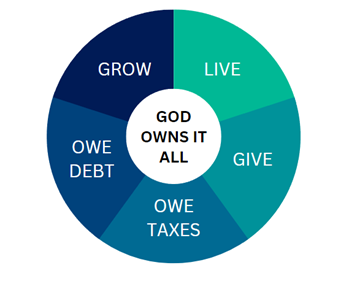

- Principle 4: Save Faithfully for the Future
Biblical Explanation
The Bible strongly encourages saving, preparation, and foresight as essential components of wise financial management. Saving is presented not as hoarding, but as responsible preparation for future needs, uncertainties, and responsibilities.
Biblical saving emphasizes:
Long-term planning
Financial stability
Preparedness for hardship
Responsible stewardship
Saving reflects wisdom, discipline, and prudence, enabling individuals to handle unexpected expenses and future obligations without financial distress.
Key Bible Verses Supporting Saving
Scripture
Core Teaching
Proverbs 6:6–8
Learn saving from the ant
Proverbs 21:20
Wise people store resources
Genesis 41:34–36
Save during abundance for scarcity
Proverbs 30:24–25
Preparation ensures survival
What Faithful Saving Means in Biblical Finance
Saving Principle
Financial Meaning
Practical Outcome
Foresight
Preparing ahead
Financial security
Discipline
Consistent saving habits
Stable reserves
Wisdom
Balanced saving
Emergency readiness
Moderation
Avoid excess spending
Sustainable wealth
Step-by-Step Biblical Saving Framework
Step
Biblical Guidance
Practical Action
1
Plan ahead
Set savings goals
2
Save consistently
Automate savings
3
Prepare for hardship
Build emergency fund
4
Balance spending
Control unnecessary expenses
5
Review regularly
Adjust savings rate
Practical Financial Applications
1. Emergency Fund Creation
Establishing a financial safety net to cover medical, employment, or family emergencies.
2. Long-Term Financial Planning
Saving for education, housing, retirement, and major life events.
3. Regular Savings Discipline
Setting aside a fixed percentage of income consistently.
4. Avoiding Impulsive Spending
Prioritizing future needs over immediate wants.
Modern-Day Financial Examples
Financial Area
Biblical Saving Approach
Emergency fund
3–6 months expenses
Retirement
Long-term savings plans
Education
Planned savings accounts
Major purchases
Gradual saving instead of debt
Why Faithful Saving Improves Financial Stability
Faithful saving:
Reduces reliance on debt
Provides financial security
Enables crisis preparedness
Promotes long-term independence
Builds financial resilience
Scripture consistently connects preparation with wisdom and stability.
Extractable Key Facts
The Bible teaches saving as wise preparation, not hoarding.
Faithful saving ensures financial stability and emergency readiness.
Scripture encourages consistent and disciplined saving habits.
Preparation reduces future financial stress and dependency.
Summary
Principle of Faithful Saving:
Biblical money management encourages disciplined and consistent saving to prepare for future needs, emergencies, and responsibilities, promoting financial security and wise stewardship.
Key Takeaways
Saving reflects wisdom and foresight
Preparation prevents financial crisis
Discipline builds long-term stability
Balanced saving supports future goals
Pros & Cons of Biblical Saving
Pros
Builds financial security
Reduces debt dependency
Enhances preparedness
Encourages discipline
Cons
Requires patience
Limits short-term spending
Common Mistakes & Misconceptions
Confusing saving with greed
Delaying savings until later
Saving without financial goals
Ignoring emergency preparedness 

- Principle 5: Avoid Debt and Live Within Your Means
Biblical Explanation
The Bible consistently warns against excessive debt, emphasizing financial freedom, self-control, and responsible living. Debt is portrayed as a form of financial bondage that can restrict personal freedom, create long-term stress, and compromise stewardship.
Biblical money management promotes:
Living within available resources
Avoiding unnecessary borrowing
Practicing financial discipline
Maintaining independence and stability
Debt avoidance supports financial freedom, peace of mind, and long-term sustainability.
Key Bible Verses Supporting Debt Avoidance
Scripture
Core Teaching
Proverbs 22:7
Debt creates servitude
Romans 13:8
Avoid owing obligations
Proverbs 17:18
Warning against risky financial commitments
Luke 14:28–30
Count the cost before financial decisions
What Living Within Your Means Means Financially
Principle
Financial Meaning
Practical Outcome
Moderation
Controlled spending
Financial balance
Discipline
Budget-based living
Reduced debt risk
Planning
Expense forecasting
Stable finances
Responsibility
Income-based lifestyle
Long-term security
Step-by-Step Biblical Debt-Avoidance Framework
Step
Biblical Guidance
Practical Action
1
Count the cost
Evaluate affordability
2
Live within income
Avoid lifestyle inflation
3
Limit borrowing
Use debt cautiously
4
Prioritize repayment
Reduce existing debt
5
Build savings
Prevent future borrowing
Practical Financial Applications
1. Responsible Spending
Making purchases based on necessity rather than impulse.
2. Controlled Lifestyle Choices
Maintaining expenses below income to ensure savings and stability.
3. Debt Reduction Planning
Systematic repayment of existing financial obligations.
4. Emergency Fund Development
Preventing reliance on credit during financial emergencies.
Modern-Day Financial Examples
Financial Area
Biblical Debt-Avoidance Approach
Credit cards
Limited and responsible use
Loans
Only for essential purposes
Lifestyle upgrades
Income-based decisions
Emergency expenses
Covered through savings
Why Debt Avoidance Improves Financial Stability
Avoiding debt:
Reduces financial stress
Increases savings potential
Enhances financial independence
Protects long-term wealth
Encourages disciplined spending
Scripture links debt freedom to peace, responsibility, and wise stewardship.
Extractable Key Facts
The Bible warns that debt leads to financial bondage.
Living within one’s means promotes financial freedom and stability.
Scripture encourages careful planning before borrowing.
Debt avoidance supports long-term financial security.
Summary
Principle of Debt Avoidance:
Biblical money management teaches disciplined spending, careful planning, and avoiding unnecessary debt to preserve financial freedom, stability, and responsible stewardship.
Key Takeaways
Debt reduces financial freedom
Controlled spending supports long-term security
Planning prevents financial mistakes
Living within means promotes peace and stability
Pros & Cons of Debt-Free Living
Pros
Financial independence
Lower stress
Increased savings
Greater stability
Cons
Slower asset acquisition
Requires disciplined lifestyle choices
Common Mistakes & Misconceptions
Treating debt as normal lifestyle financing
Using credit for unnecessary spending
Ignoring long-term repayment consequences
Failing to build emergency savings - Principle 6: Give Generously and Practice Tithing
Biblical Explanation
The Bible consistently emphasizes generosity and giving as central components of faithful financial stewardship. Giving is presented not merely as charity, but as an act of obedience, gratitude, and worship. Tithing, traditionally understood as giving one-tenth (10%) of income, represents disciplined generosity and trust in divine provision.
Biblical generosity reflects:
Faith in God’s provision
Compassion toward others
Responsibility toward community welfare
Gratitude for blessings received
Generous giving aligns financial behavior with spiritual values and ethical responsibility.
Key Bible Verses Supporting Giving and Tithing
Scripture
Core Teaching
Malachi 3:10
Faithfulness in tithing
Proverbs 11:24–25
Generosity leads to blessing
Luke 6:38
Giving results in abundance
2 Corinthians 9:6–7
Cheerful giving
Acts 20:35
Blessing of generosity
What Giving and Tithing Mean in Biblical Finance
Giving Principle
Financial Meaning
Practical Outcome
Tithing
Giving 10% regularly
Structured generosity
Charity
Helping the needy
Social responsibility
Faith-based giving
Trust in provision
Spiritual growth
Consistency
Regular donations
Sustainable support
Step-by-Step Biblical Giving Framework
Step
Biblical Guidance
Practical Action
1
Give first
Set aside tithe early
2
Give consistently
Maintain regular donations
3
Give cheerfully
Avoid obligation-based giving
4
Support need
Help vulnerable groups
5
Review giving
Adjust based on income
Practical Financial Applications
1. Practicing Tithing
Setting aside 10% of income regularly for faith-based contributions.
2. Charitable Donations
Supporting community development, relief programs, and humanitarian efforts.
3. Supporting Family and Community Needs
Assisting dependents and vulnerable individuals.
4. Planned Generosity
Including giving within personal financial budgets.
Modern-Day Financial Examples
Financial Area
Biblical Giving Application
Monthly income
Allocate 10% tithe
Community support
Regular charity contributions
Emergency relief
Financial assistance
Social welfare
Support for education and health
Why Generosity Improves Financial and Social Stability
Generous giving:
Strengthens social bonds
Reduces inequality
Promotes empathy
Encourages ethical financial behavior
Builds communal resilience
Biblical wisdom associates generosity with blessing, spiritual fulfillment, and social harmony.
Extractable Key Facts
The Bible teaches generosity and tithing as essential financial practices.
Tithing traditionally involves giving 10% of income regularly.
Scripture links generous giving with spiritual and material blessings.
Giving supports community welfare and social stability.
Summary
Principle of Generosity and Tithing:
Biblical money management encourages disciplined generosity, faithful tithing, and compassionate giving to promote spiritual growth, community support, and ethical financial stewardship.
Key Takeaways
Giving reflects faith and gratitude
Tithing encourages financial discipline
Generosity supports social responsibility
Planned giving ensures sustainable contributions
Pros & Cons of Generous Giving
Pros
Strengthens community
Encourages compassion
Builds spiritual fulfillment
Supports ethical living
Cons
Requires disciplined budgeting
Demands consistent commitment
Common Mistakes & Misconceptions
Viewing giving as optional
Treating tithing as financial loss
Inconsistent donation habits
Giving without financial planning - Principle 7: Practice Contentment and Financial Discipline
Biblical Explanation
The Bible strongly emphasizes contentment, self-control, and financial discipline as essential virtues in money management. Contentment teaches satisfaction with what one has, while discipline ensures responsible financial behavior. Together, they protect individuals from greed, materialism, impulsive spending, and financial instability.
Biblical contentment encourages:
Satisfaction over excess
Gratitude over greed
Discipline over impulse
Simplicity over extravagance
This principle promotes peaceful, balanced, and sustainable financial living.
Key Bible Verses Supporting Contentment and Discipline
Scripture
Core Teaching
Hebrews 13:5
Be content with what you have
1 Timothy 6:6–8
Contentment brings great gain
Proverbs 25:28
Self-control prevents collapse
Philippians 4:11–12
Learn contentment in all situations
Luke 12:15
Guard against greed
What Contentment Means in Biblical Finance
Principle
Financial Meaning
Practical Outcome
Contentment
Satisfaction with provision
Reduced spending pressure
Discipline
Controlled financial behavior
Stable finances
Gratitude
Appreciation of resources
Wise spending
Simplicity
Minimalist lifestyle
Financial clarity
Step-by-Step Biblical Discipline Framework
Step
Biblical Guidance
Practical Action
1
Practice gratitude
Focus on needs met
2
Control desires
Limit impulse purchases
3
Set spending limits
Follow a budget
4
Delay gratification
Avoid unnecessary upgrades
5
Reflect regularly
Review spending habits
Practical Financial Applications
1. Avoiding Lifestyle Inflation
Maintaining consistent living standards despite income increases.
2. Controlling Impulse Spending
Evaluating necessity before purchasing.
3. Practicing Gratitude-Based Budgeting
Spending aligned with appreciation rather than comparison.
4. Long-Term Financial Stability
Preventing debt accumulation through disciplined choices.
Modern-Day Financial Examples
Financial Area
Biblical Contentment Approach
Lifestyle choices
Income-based living
Consumer purchases
Needs before wants
Social comparison
Gratitude-based spending
Income growth
Savings over indulgence
Why Contentment Improves Financial Stability
Contentment and discipline:
Reduce unnecessary expenses
Prevent debt accumulation
Promote saving consistency
Increase financial peace
Encourage sustainable living
Scripture links contentment directly to emotional well-being and financial security.
Extractable Key Facts
The Bible teaches contentment and self-discipline as core financial virtues.
Contentment reduces greed, impulse spending, and debt risk.
Financial discipline promotes long-term stability and peace.
Scripture warns against materialism and excessive desire.
Summary
Principle of Contentment and Discipline:
Biblical money management emphasizes satisfaction with provision and disciplined financial habits to promote peace, stability, and responsible stewardship.
Key Takeaways
Contentment reduces financial pressure
Discipline strengthens money control
Gratitude promotes wise spending
Simplicity supports long-term stability
Pros & Cons of Contentment-Based Financial Living
Pros
Lower stress
Greater savings
Reduced debt
Improved financial clarity
Cons
Requires self-control
Resists consumer culture pressures
Common Mistakes & Misconceptions
Confusing contentment with lack of ambition
Using spending for emotional comfort
Chasing social comparison
Ignoring disciplined financial habits
How to Apply Biblical Money Principles in Daily Life
Practical Framework for Faith-Based Financial Living
Applying biblical money principles requires intentional daily habits, disciplined financial planning, and consistent spiritual alignment. These principles translate into real-world financial decisions that promote stability, responsibility, and long-term well-being.
Biblical financial application focuses on:
Structured budgeting
Ethical earning
Disciplined saving
Responsible spending
Debt avoidance
Planned generosity
Contentment-based living
Step-by-Step Biblical Money Management System
Step
Biblical Principle
Practical Action
1
Stewardship
Create a purpose-driven budget
2
Honest earning
Maintain ethical income sources
3
Planning
Track income and expenses
4
Saving
Build emergency and long-term funds
5
Debt avoidance
Limit borrowing
6
Giving
Practice regular generosity
7
Contentment
Control lifestyle inflation
Daily Financial Habits Based on Biblical Teachings
1. Intentional Budgeting
Track income, allocate spending limits, and plan financial priorities monthly.
2. Expense Awareness
Monitor daily spending to prevent waste and impulsive purchases.
3. Consistent Saving
Set aside a fixed portion of income for emergencies and future goals.
4. Debt Monitoring
Avoid unnecessary borrowing and prioritize repayment.
5. Planned Giving
Include generosity as a fixed budget category.
Weekly and Monthly Financial Discipline Routine
Timeframe
Financial Actions
Daily
Track expenses
Weekly
Review spending habits
Monthly
Adjust budget
Quarterly
Review savings & debt
Annually
Long-term financial planning
Applying Biblical Principles to Major Financial Decisions
Financial Area
Biblical Application
Career choice
Ethical income
Investments
Responsible risk
Home purchase
Affordability planning
Education
Long-term saving
Business
Integrity-based operations
Common Financial Challenges and Biblical Solutions
Challenge
Biblical Principle
Solution
Overspending
Contentment
Controlled budgeting
Debt accumulation
Discipline
Expense reduction
Lack of savings
Foresight
Automated saving
Financial stress
Trust
Structured planning
Income instability
Diligence
Skill development
Why Daily Application Matters
Consistent application:
Builds disciplined financial habits
Reduces financial anxiety
Encourages ethical money decisions
Promotes long-term stability
Strengthens stewardship accountability
Biblical principles become effective only when practiced consistently, not occasionally.
Extractable Key Facts
Biblical money principles are applied through budgeting, saving, debt control, and generosity.
Daily financial discipline leads to long-term stability and peace.
Structured financial habits prevent overspending and debt accumulation.
Consistent application promotes ethical and responsible money management.
Summary
Applying Biblical Money Principles:
Daily financial habits based on biblical stewardship, planning, discipline, and generosity lead to financial stability, reduced stress, and responsible wealth management.
Key Takeaways
Daily discipline strengthens financial control
Structured planning promotes long-term success
Ethical decisions align faith and finance
Consistency builds financial stability
Pros & Cons of Faith-Based Financial Living
Pros
Ethical financial behavior
Reduced financial stress
Long-term stability
Purpose-driven money use
Cons
Requires discipline
Demands consistency
Common Mistakes & Misconceptions
Practicing biblical principles inconsistently
Ignoring budgeting discipline
Treating giving as optional
Delaying financial plannin
Common Misunderstandings About Biblical Finances
Why Misinterpretations Occur
Many financial misconceptions arise from partial scripture reading, cultural beliefs, modern consumer influences, and lack of contextual understanding. These misunderstandings often lead to financial imbalance, poor decision-making, and misplaced expectations.
Biblical financial teaching promotes balance, responsibility, discipline, and wisdom, not extremes of poverty or excessive wealth pursuit.
Top Biblical Finance Misconceptions Explained
Misconception
Reality
Biblical Explanation
Wealth is sinful
Wealth itself is neutral
The Bible condemns love of money, not money
Poverty is holiness
Financial stability is encouraged
Scripture promotes provision and planning
Debt is unavoidable
Debt is cautioned against
Debt creates financial burden
Giving causes loss
Giving promotes blessing
Generosity brings provision
Budgeting shows lack of faith
Planning is wise
Scripture encourages preparation
Misconception 1: Wealth Is Sinful
Reality:
The Bible does not condemn wealth. It warns against greed, materialism, and the love of money. Wealth is viewed as a resource for stewardship, generosity, and responsibility.
Correct Understanding:
Money becomes harmful only when it controls priorities and values.
Misconception 2: Poverty Equals Spirituality
Reality:
Scripture promotes provision, stability, and wise financial living, not forced poverty.
Correct Understanding:
Financial stability enables responsible stewardship, generosity, and family care.
Misconception 3: Debt Is Normal and Acceptable
Reality:
The Bible consistently warns that debt creates financial burden and dependence.
Correct Understanding:
Debt should be limited, cautious, and avoided where possible.
Misconception 4: Giving Leads to Financial Loss
Reality:
Biblical teaching associates generosity with spiritual and material provision.
Correct Understanding:
Planned giving promotes long-term stability, social well-being, and spiritual fulfillment.
Misconception 5: Budgeting Shows Lack of Faith
Reality:
The Bible repeatedly emphasizes planning, foresight, and financial preparation.
Correct Understanding:
Budgeting reflects wisdom, discipline, and stewardship, not doubt.
Common Financial Mistakes Caused by These Misconceptions
Overspending due to entitlement thinking
Neglecting saving and planning
Accumulating unnecessary debt
Ignoring generosity
Avoiding financial accountability
Extractable Key Facts
The Bible does not condemn wealth, but warns against greed.
Scripture promotes planning, saving, generosity, and financial discipline.
Debt is portrayed as financial burden.
Budgeting reflects wisdom and stewardship, not lack of faith.
Summary
Understanding Biblical Finance Correctly:
Biblical financial teaching encourages balance, discipline, generosity, and planning. Misunderstanding these principles can lead to financial instability and poor decision-making.
Key Takeaways
Wealth is a responsibility, not a sin
Poverty is not a spiritual requirement
Debt should be carefully managed or avoided
Planning strengthens financial stewardship
Common Pitfalls to Avoid
Extreme financial thinking
Neglecting budgeting
Misusing generosity
Ignoring discipline
Over-spiritualizing money decisions- Conclusion
The 7 Biblical Principles of Money Management provide a timeless, faith-based framework for handling finances with wisdom, discipline, integrity, and responsibility. Rooted in stewardship, honest earning, planning, saving, debt avoidance, generosity, and contentment, these principles guide individuals toward financial stability, ethical living, and long-term provision.
By applying biblical financial wisdom consistently, individuals can develop healthy money habits, reduce financial stress, avoid destructive debt, and create sustainable wealth while maintaining spiritual alignment. Biblical money management is not about accumulation—it is about responsible stewardship, purposeful living, and faithful financial decision-making.
Frequently Asked Questions (FAQs)
1. What are the 7 biblical principles of money management?
The seven principles are: stewardship, honest earning, wise budgeting, faithful saving, debt avoidance, generous giving, and contentment with financial discipline. These principles form a complete framework for responsible financial living based on biblical teachings.
2. What does the Bible say about managing money?
The Bible teaches that money should be managed wisely, ethically, and responsibly, emphasizing planning, discipline, generosity, and stewardship. Financial decisions are viewed as spiritual responsibilities that reflect faith and integrity.
3. Is debt considered sinful in the Bible?
The Bible does not directly label debt as sinful, but it strongly warns against it, stating that debt creates financial bondage and burden. Scripture encourages careful borrowing and promotes debt avoidance whenever possible.
4. What is biblical stewardship?
Biblical stewardship refers to the belief that God owns all resources, and humans are entrusted to manage money responsibly. It involves budgeting, saving, ethical earning, generosity, and disciplined financial behavior.
5. Does the Bible encourage saving money?
Yes. The Bible repeatedly promotes saving and preparation for future needs, emphasizing wisdom, foresight, and financial discipline to prevent hardship and instability.
6. What is tithing according to the Bible?
Tithing traditionally means giving 10% of income as an act of obedience, gratitude, and worship. It reflects disciplined generosity and trust in divine provision.
7. How can I apply biblical money principles in daily life?
You can apply them by budgeting monthly, saving consistently, avoiding debt, practicing generosity, earning ethically, and living contentedly, aligning financial habits with biblical teachings.
References (Credible & Authoritative Sources)
The Holy Bible (NIV, ESV, KJV Editions)
– Proverbs, Luke, Psalms, Romans, Corinthians, Timothy, Malachi
Crown Financial Ministries – Biblical Financial Stewardship Resources
https://www.crown.org
Dave Ramsey – Biblical Financial Principles
https://www.ramseysolutions.com
Christian Financial Concepts – Stewardship & Tithing
https://www.christianfinance.com
Blue Letter Bible – Scripture Research Platform
https://www.blueletterbible.org
Bible Gateway – Verse Research Database
https://www.biblegateway.com